REVIEW · SINTRA
Lisbon/Sintra: Indoor Skydiving Experience
Book on GetYourGuide →Operated by DreamFly Indoor Skydiving · Bookable on GetYourGuide
Defy gravity in Lisbon, no plane needed. DreamFly turns the free-fall thrill into a wind-tunnel flying session where you learn the basics, then get to feel what gravity would be like with coaching. It’s an adrenaline fix that still stays controlled, and it works for a wide range of ages and skill levels.
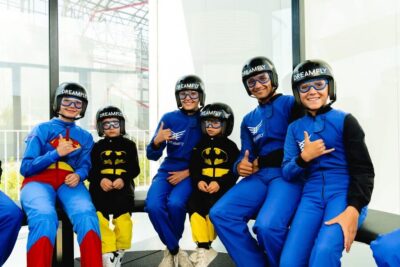
I especially like how training is built into the experience, not added later. You get full instructions, plus an instructor flight show so you can see what success looks like before your turn. I also love the practical extras: gear rental is included (helmet, flying suit, earplugs, goggles, and shoes if needed), you’ll have a locker for your things, and you end with a flight diploma that makes the whole thing feel like a real accomplishment.
One thing to consider is the timing. You must check in 1 hour before your reserved slot, and late arrivals can’t be refunded. If your day runs on a tight schedule, plan for that early arrival.
In This Review
- Key Points You’ll Care About
- What the DreamFly Wind Tunnel Experience Feels Like
- Getting Ready: Gear, Clothes, and the Early Check-in
- Your 90 Minutes: Training, Instructor Show, and Two Flight Chances
- 1) Training and instructions before you fly
- 2) Instructor flight show
- 3) Two standard-duration flights (2 x 1 minute)
- 4) The diploma moment
- Safety and Control: Why This Feels Real Without Being Risky
- Who This Is For (And Who Should Think Twice)
- Age and size limits
- Health notes you should respect
- What’s not allowed during the session
- Price and Value: What You’re Actually Paying For at $63
- Language, Vibe, and the Small Details That Matter
- Should You Book DreamFly Indoor Free-Fall in Lisbon?
- FAQ
- How long is the DreamFly indoor free-fall session in Lisbon?
- What’s included in the price?
- How early do I need to check in?
- Is DreamFly suitable for children?
- Who should not fly?
- What should I bring and wear?
- What languages are the instructors?
Key Points You’ll Care About
- Two guided flights (2 x 1-minute): short on paper, but big on adrenaline and focus.
- One of the largest outdoor recirculating wind tunnels in Europe: the airflow feels more like real free-fall.
- Instructor stays with you: you get coaching throughout, not a “good luck” approach.
- Gear rental included: helmet, suit, earplugs, goggles, and shoes if needed.
- Works for kids 4+ and adults of all ages: with a few important health and weight limits.
- Instructor show before you fly: helps you understand what to do before you try.
What the DreamFly Wind Tunnel Experience Feels Like
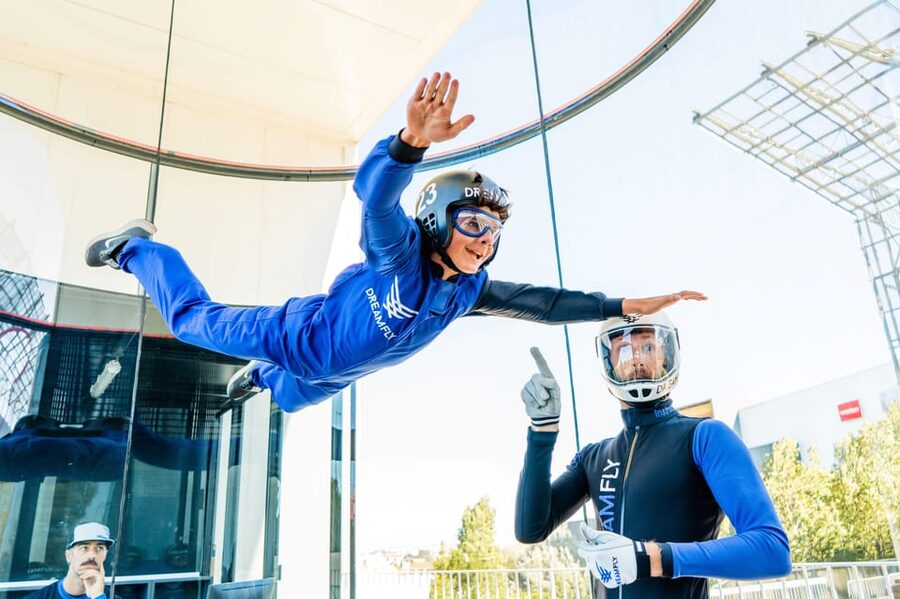
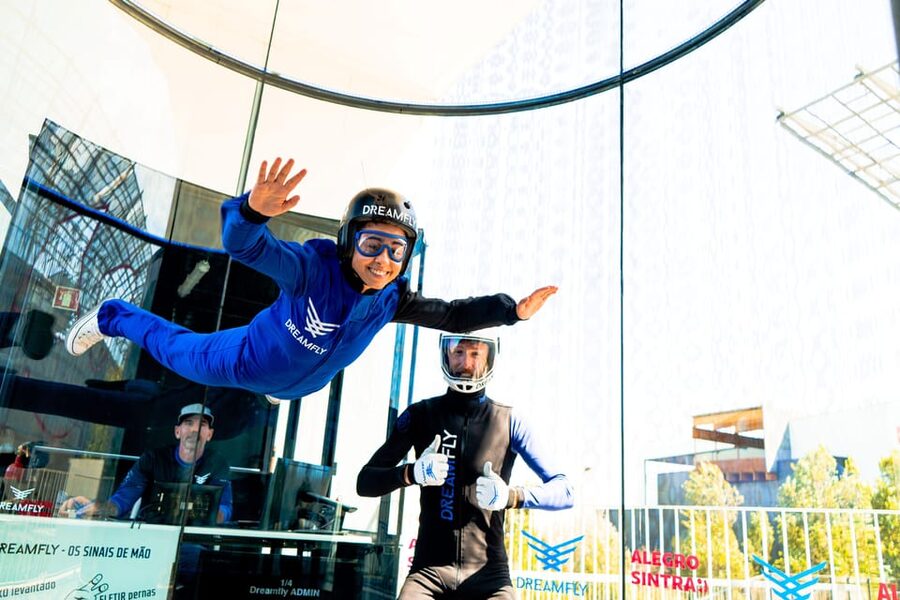
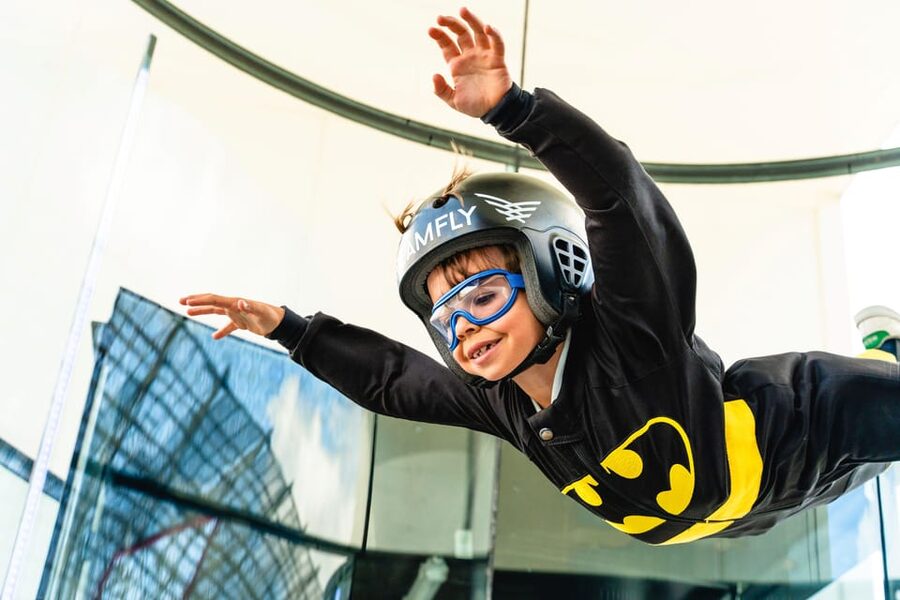
This isn’t a “look at the equipment” type of activity. DreamFly is designed to simulate the sensation of free fall using a vertical wind tunnel. The airflow lifts you and creates that signature body-flying feeling, where your balance, posture, and arm position matter.
You’ll be learning a skill while also chasing that instant thrill. That combination is why people love it as a birthday activity, a team moment, or a high-energy break from sightseeing. It’s also a great option if you want the free-fall buzz without the risks of an actual flight.
DreamFly is based around one of the largest outdoor recirculating wind tunnels in Europe. Even if you’re not a gear nerd, that scale matters: you get a lot of airflow time in a space built for learning, not a tiny chamber that makes everything feel rushed.
Getting Ready: Gear, Clothes, and the Early Check-in
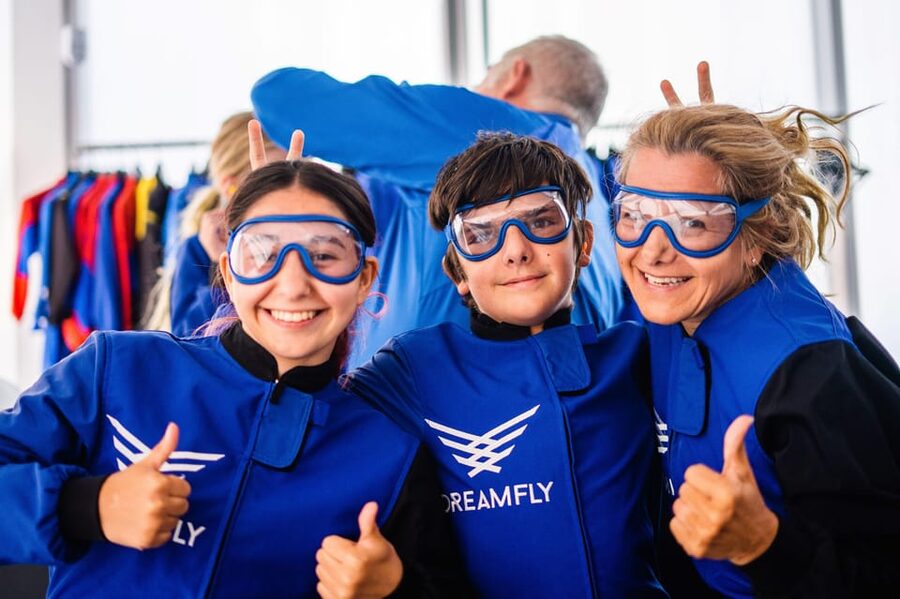
Your 1.5-hour session has a clear rhythm, and it starts with arriving early. Before you even think about flying, you need to check in 1 hour before your scheduled time. The session begins once the entire group has arrived, and late arrivals can’t be refunded.
Plan to show up in comfortable clothes you can move in. Closed-toe shoes are required. You don’t need to bring gear, but you do want to avoid anything bulky that could interfere with the flying suit.
Once you arrive, you’ll get outfitted. That includes:
- Helmet
- Flying suit
- Earplugs
- Goggles
- Shoes if needed
You’ll also have a locker for personal items, which is useful because you’ll want your hands free for the session and not carrying anything around.
If you’re bringing a camera or phone, you might find it’s easier to leave valuables in the locker until you’re back on the ground. DreamFly provides the flying setup, so your job is basically to arrive ready to move.
Your 90 Minutes: Training, Instructor Show, and Two Flight Chances
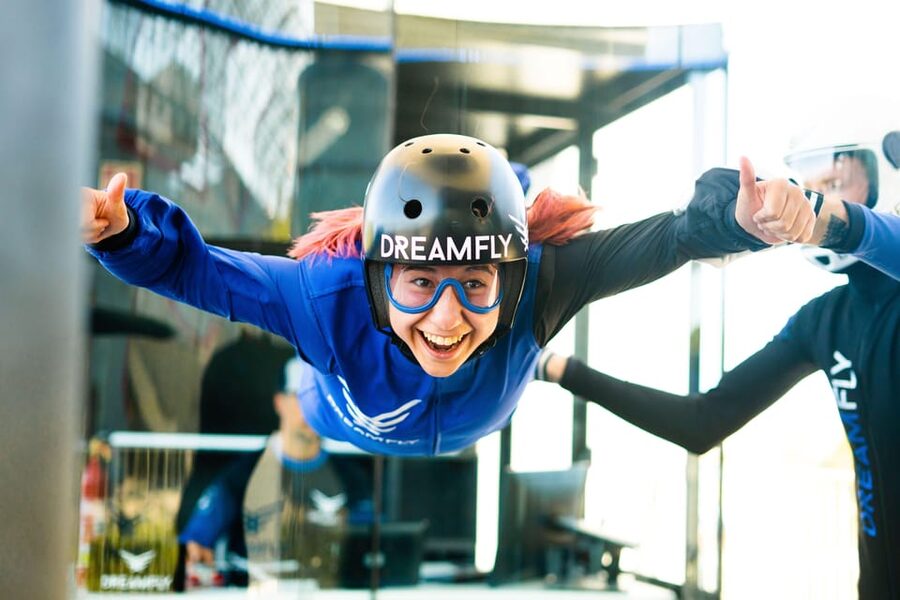
Think of this session as three phases: setup and training, watching and learning, then your flights.
1) Training and instructions before you fly
Before your time in the air, you’ll go through training and get instructions tailored to what the tunnel needs from your body position. The goal is simple: you need enough technique to stay stable while the wind takes over the hard part.
The professional flight instructors stay with you the whole time, so you’re not figuring things out alone. That coaching is what makes this work for beginners and kids over 4.
2) Instructor flight show
Next comes an instructor flight show. Even if you’re excited and ready, this part helps you “decode” what you’ll be trying to copy. You’ll see how the body-flying position looks in motion, not just in words.
This show also sets expectations. Indoor free-fall is less about flailing and more about control: head position, arm position, and body posture all affect stability.
3) Two standard-duration flights (2 x 1 minute)
Then you get your flights: 2 standard duration flights, each one lasting 1 minute. Yes, they’re short. But in wind-tunnel flying, short bursts are part of the design. You’ll spend the earlier minutes learning, then use the flights to focus on technique with a clear win each time.
Between the first and second flight, you usually get time to adjust your approach. That’s where the value is: you get a first attempt to feel it, then a second chance to refine and enjoy it even more.
4) The diploma moment
At the end, you’ll receive a flight diploma. It’s not just a souvenir. For a lot of people, it signals you did something outside your comfort zone and followed through with real coaching.
Safety and Control: Why This Feels Real Without Being Risky
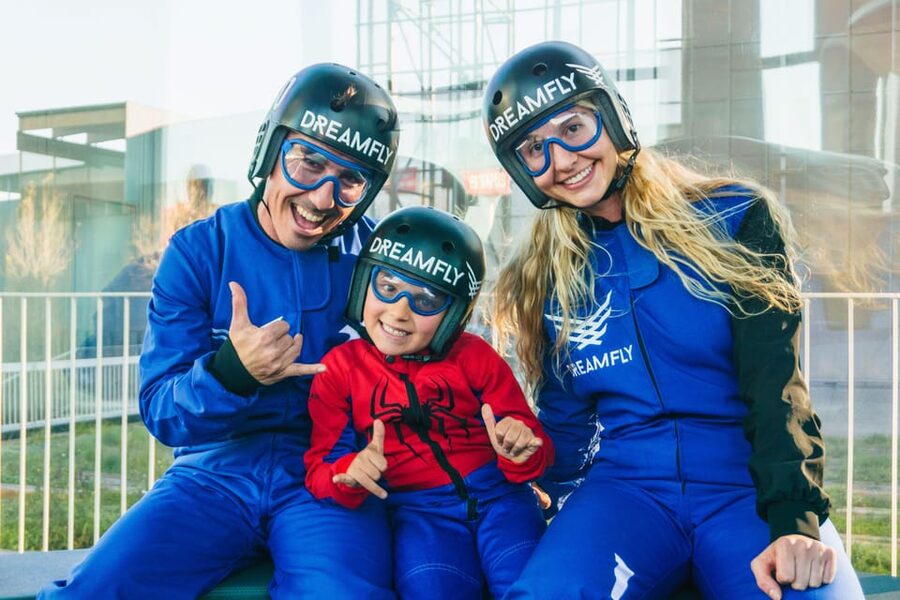
DreamFly is built around safety in a controlled environment. The wind tunnel simulates free fall and bodyflying, so you get sensations similar to the real thing, but without the dangers of an actual jump from an aircraft.
That matters because it changes the mindset. Instead of worrying about parachutes, exit timing, or airborne hazards, you can focus on the basics: body position, balance, and listening to the instructor cues.
It’s also designed so you can learn in stages. You’re not thrown into the deep end and told to figure it out mid-air. You train first, then you fly with instructor support throughout.
Who This Is For (And Who Should Think Twice)
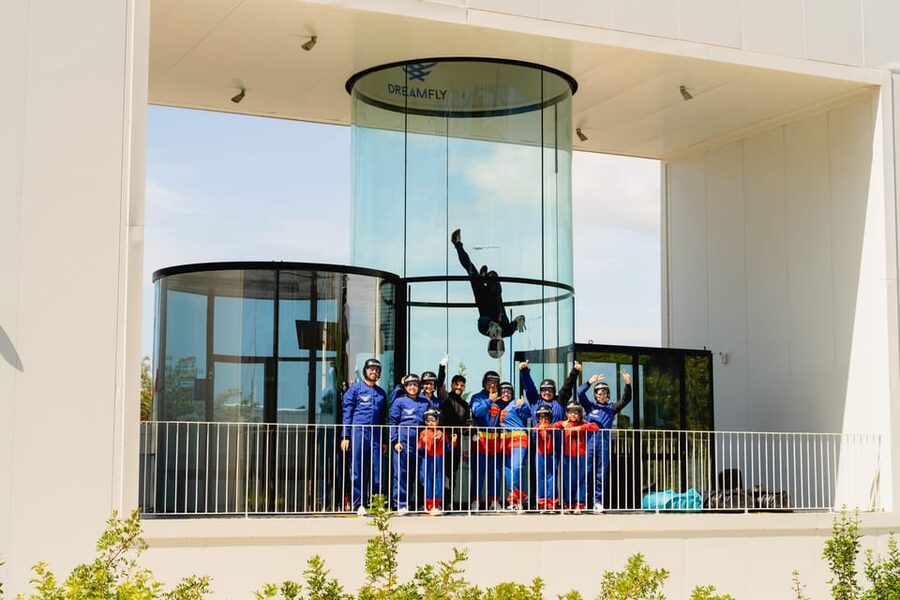
DreamFly makes the experience available to both adults and kids, with a few clear limits.
Age and size limits
- Kids need to be over age 4.
- There’s no limit on age as long as you meet the other requirements.
- There’s a weight limit of 264 lbs (120 kg).
Health notes you should respect
This is the part where I strongly suggest you read carefully and choose wisely. DreamFly is not suitable for:
- Pregnant women
- People with back problems
- People with heart problems
There’s also a recommendation: DreamFly says people with prior shoulder dislocations should not fly. That’s not a suggestion to ignore. If you’ve had shoulder instability, you’re asking your body to hold positions under wind pressure, and that can be a bad match for past injury.
What’s not allowed during the session
You can’t fly if you’re intoxicated. Alcohol and drugs are not allowed. It’s a safety requirement, but it also makes the coaching work better. You want your body to respond fast and accurately to instructor cues.
If you’re fit and medically cleared for the activity, you’ll probably find the tunnel experience feels approachable. The learning curve is real, but the instructors guide you step by step.
Price and Value: What You’re Actually Paying For at $63
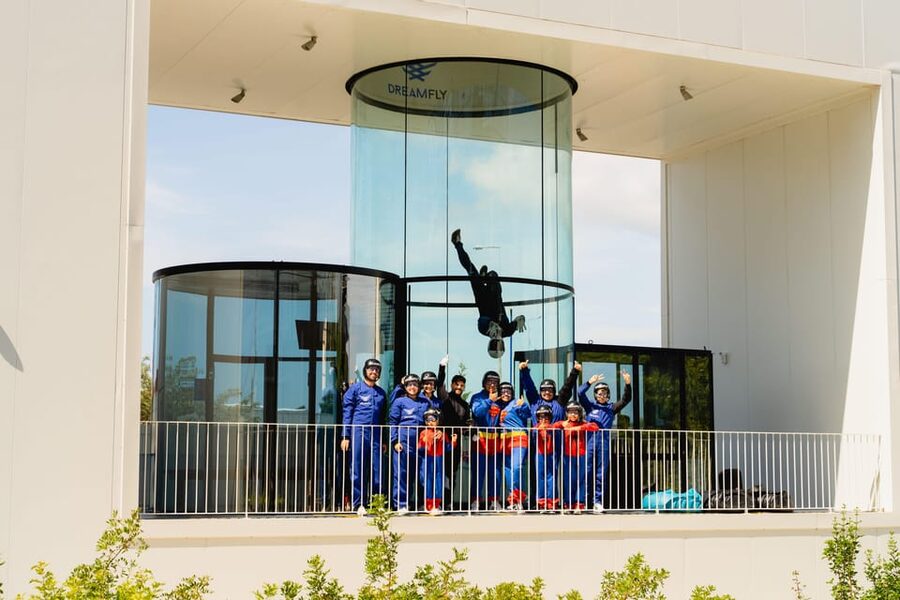
At $63 per person, this isn’t just “pay for a thrill.” It’s paying for a complete setup that includes training, equipment, instructor time, and two flight attempts.
Here’s how the value shakes out:
- You get 2 x 1-minute flights, which is enough time to experience the sensation and still feel like you earned it through technique.
- You get gear rental, so you don’t have to hunt down anything special.
- You get professional instructor support throughout, which is the real difference between doing it right and feeling overwhelmed.
- You get a locker and structured session timing, which reduces the hassle part of the day.
If you compare this to the cost and risk of real skydiving, the wind-tunnel format is a bargain for the adrenaline you’re chasing. You’re not buying the whole aviation package. You’re buying a guided free-fall simulation with training built in.
Optional extras exist, like a media pack (photos and videos) and extra minutes, but your base experience already gives you the core story: train, watch, fly twice, earn the diploma.
Language, Vibe, and the Small Details That Matter
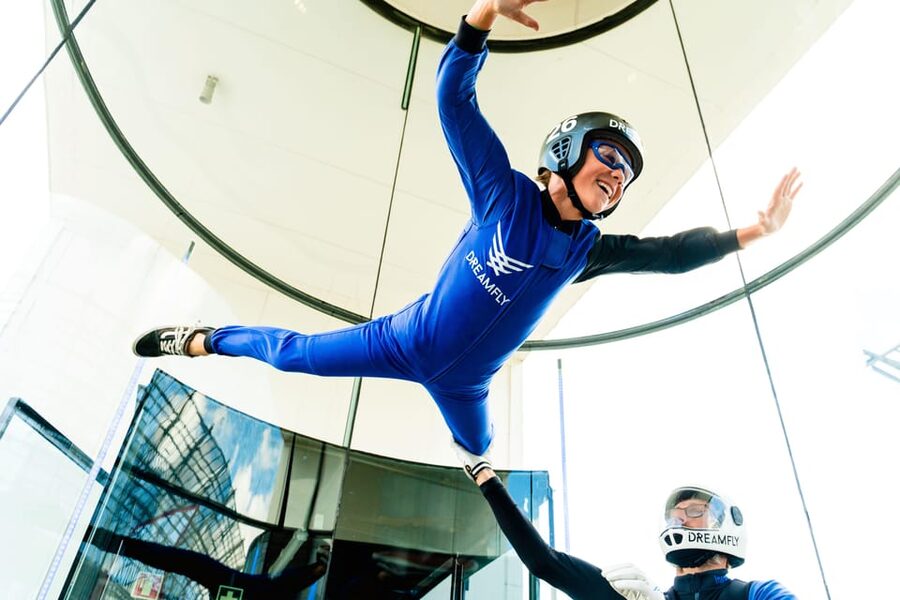
The session runs with instructors who speak English, Portuguese, and Spanish. That’s a big deal because body-flying instruction needs clarity. If you’re visiting from abroad, you can usually follow the key points without stress.
And based on the overall feedback style—people highlighting the personal touch and the way the process runs—DreamFly seems to focus on making the experience feel guided, not mechanical. When someone can explain what your body needs to do, the tunnel becomes easier fast.
Small details add up too:
- You’ll wear earplugs and goggles, which makes the whole environment easier to handle.
- You’ll have a helmet and suit, which gives you a consistent feel and reduces distractions.
- You’ll have a locker for your things, which keeps the session smooth.
Should You Book DreamFly Indoor Free-Fall in Lisbon?
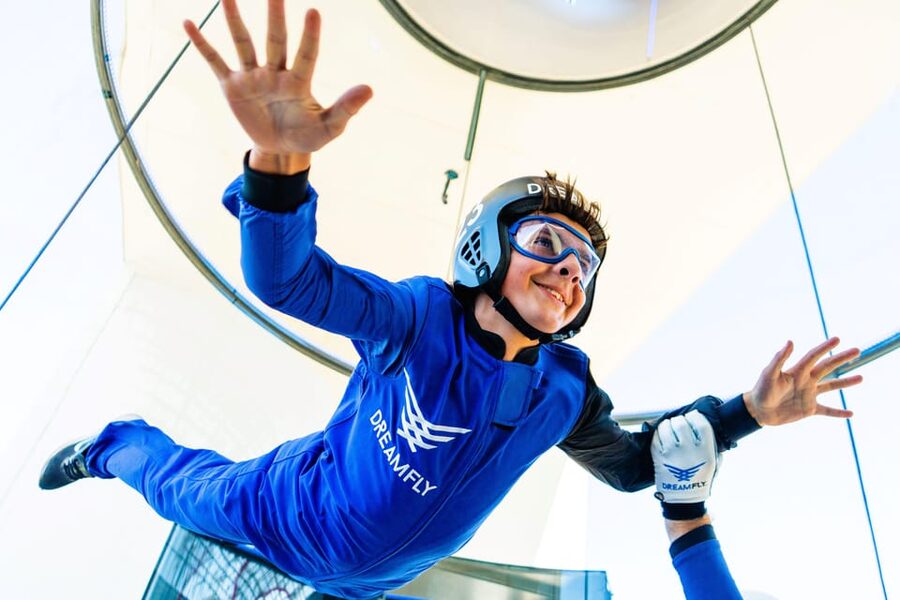
Book it if you want a fun, skill-based adrenaline experience in Lisbon’s area and you like activities where coaching matters. It’s a strong choice for groups, couples, and families with kids over 4, since the structure supports beginners.
Don’t book it if any of the health limits apply to you, or if you’ve had shoulder dislocation issues and aren’t comfortable with DreamFly’s recommendation. Also skip it if your schedule can’t handle the 1-hour early check-in and you hate waiting for group start times.
If you’re torn, treat it like this: two short flights plus instruction equals “learn fast, feel a lot, walk out smiling.” At $63, you’re paying for a safe way to experience gravity’s attitude—without the real-world risks.
FAQ
How long is the DreamFly indoor free-fall session in Lisbon?
The experience lasts about 1.5 hours.
What’s included in the price?
The included items are 2 standard flights (2 x 1-minute), comprehensive training before the session, gear rental (helmet, flying suit, earplugs, goggles, and shoes if needed), a locker, instructor assistance, an instructor flight show, and a flight diploma.
How early do I need to check in?
You must check in 1 hour before your reserved flight time. Late arrivals cannot be refunded.
Is DreamFly suitable for children?
Yes, it’s suitable for kids over age 4. There’s also no age limit for others, as long as you meet the requirements.
Who should not fly?
It is not suitable for pregnant women, people with back problems, people with heart problems, and people over 264 lbs (120 kg). DreamFly also recommends people with prior shoulder dislocations do not fly.
What should I bring and wear?
Bring comfortable clothes and closed-toe shoes.
What languages are the instructors?
Instructors speak English, Portuguese, and Spanish.