REVIEW · ROTTNEST ISLAND
Rottnest Island: Tandem Skydive
Book on GetYourGuide →Operated by Skydive Geronimo · Bookable on GetYourGuide
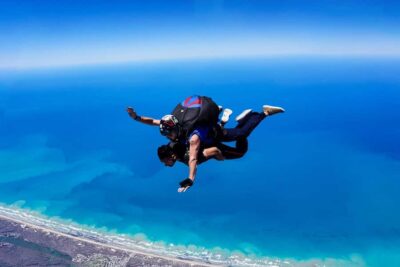
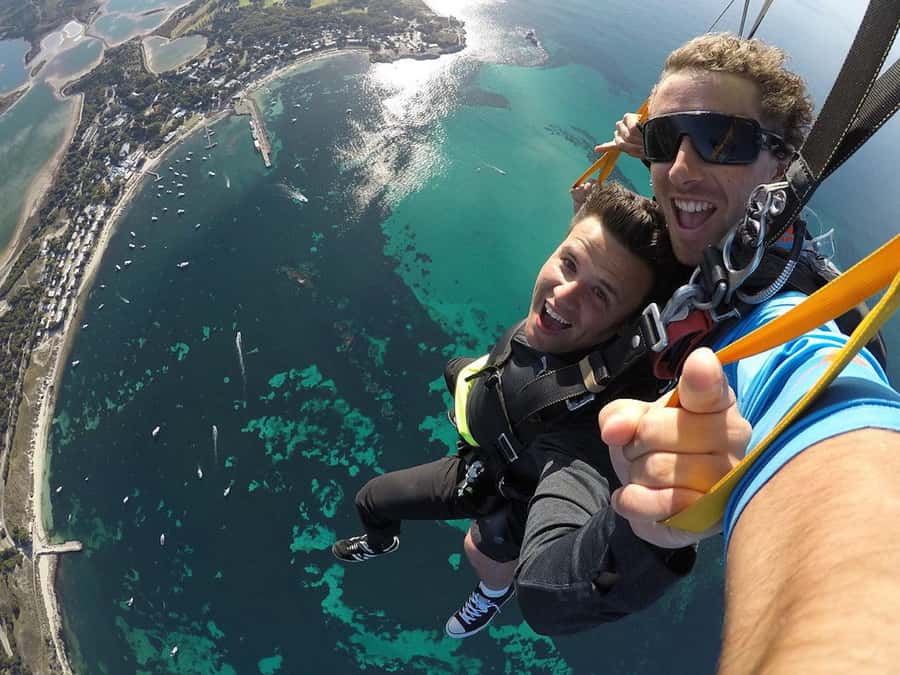
Rottnest Island looks unreal from above. This tandem skyjump lets you choose 10,000 or 15,000 feet and experience a guided freefall over Western Australia, then land on the beach. I love how the instructors keep you calm, with names like Nick, Darcy, and Heath coming up for clear reassurance, and I love that the best scenery happens while you’re actually moving fast. One catch: weather can change your timing, so plan your Rottnest day with some flexibility.
From check-in to the sand under your feet, the whole experience runs about 150 minutes. You’ll handle paperwork, get harnessed up, and get a safety briefing before heading to the plane, then enjoy a 5-minute parachute ride after the parachute opens at 5,000 feet.
In This Review
- Key things I’d zero in on
- Rottnest Island from Above: Why This Skyjump Works
- Picking Your Altitude: 10,000 vs 15,000 Feet
- The 150-Minute Flow: What Happens Before You’re in the Air
- On the Day: How Instructors Help With Nerves
- The Scenery Moment: Why the Parachute Ride Matters
- Price and Value: Is $270 Worth It?
- Photos and Video: Should You Buy the HD Package?
- Getting There: Rottnest Island Logistics That Actually Matter
- Who Can Do It (and Who Should Skip It)
- What to Bring: Clothes and Shoes for a Smooth Check-In
- Final Verdict: Should You Book This Tandem Skyjump?
- FAQ
- Where is the meeting point for the experience?
- Do I need to get to Rottnest Island myself?
- What altitudes can I choose?
- How long is the freefall?
- How long is the parachute ride after the jump?
- Is video and photography included?
- What clothing and shoes should I bring?
- Are children allowed?
- What if I have a medical condition?
- What’s the cancellation policy?
Key things I’d zero in on
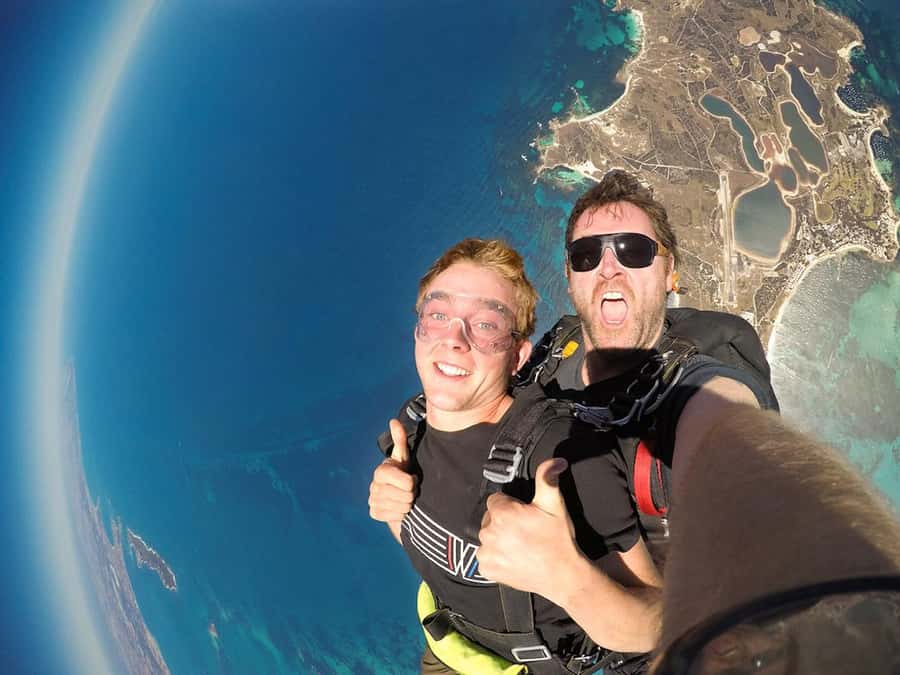
- Two altitude options that change your freefall time: 10,000 ft for about 30 seconds, or 15,000 ft for up to 66 seconds
- Freefall speed is fast and controlled: you’ll reach around 200 km/h during the jump
- A real canopy phase, not just the “out the door” moment: parachute ride is about 5 minutes
- Small group setup: limited to 3 participants, so you’re not stuck in a giant cattle line
- Beach landing is part of the payoff: you land on the beach by the terminal area
- Photo and video are optional: you can purchase an edited HD package on the day
Rottnest Island from Above: Why This Skyjump Works
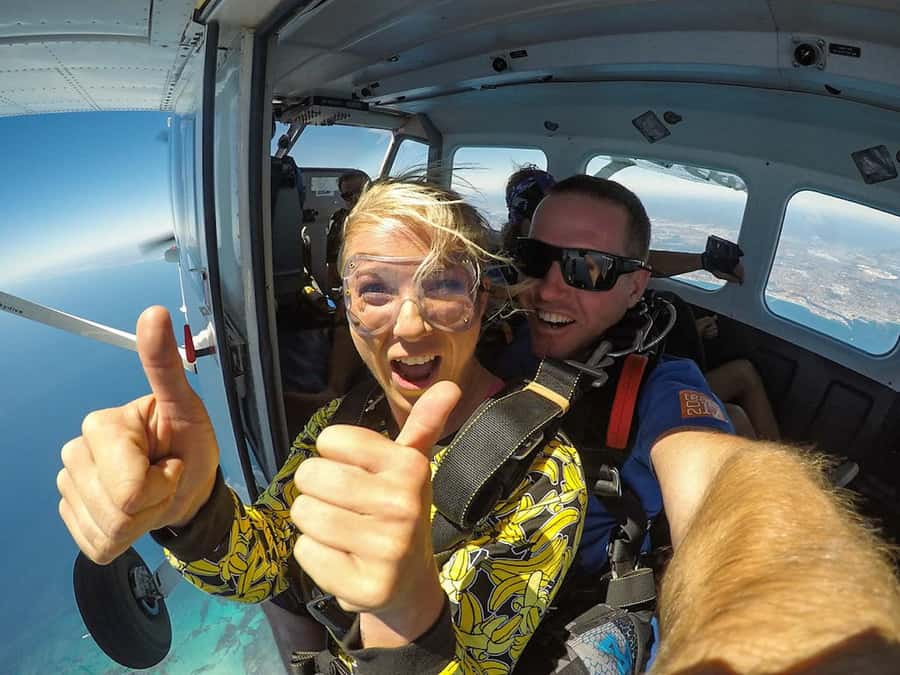
Rottnest Island is made for looking at from multiple angles. From sea level you get beaches and bays; from the air you get the full geometry of the island and coastline. This tandem setup is built around exactly that: you’re in front of the view from the plane, then again during the fast freefall, then you get a longer look while under canopy.
What I like about this experience design is that it’s not only about the adrenaline. You also get time to actually see where you are. The jump includes a parachute phase (about 5 minutes), so you’re not rushing from “fear” straight into “it’s over.” And because it’s tandem, your instructor handles the technical bits, while you focus on keeping your brain from writing dramatic movie scripts.
It’s also a small group experience, limited to 3 participants, which matters more than it sounds. Fewer people means less waiting around in a crowd and more personal attention during the safety process and gear checks.
You can also read our reviews of more tours and experiences in Rottnest Island.
Picking Your Altitude: 10,000 vs 15,000 Feet
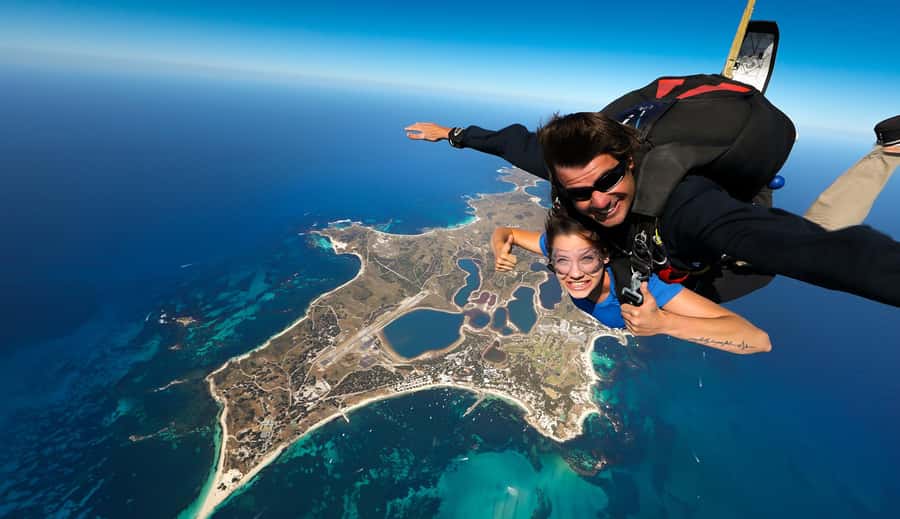
You choose between 10,000 ft and 15,000 ft, and that choice affects the core thrill: your freefall duration. At 10,000 ft, expect around 30 seconds of freefall. At 15,000 ft, it’s up to 66 seconds of falling fast.
Here’s how I’d think about it:
- Go 10,000 ft if you want a strong, first-timer friendly experience. You still get the major rush, the speed (about 200 km/h), and the view from the aircraft door.
- Go 15,000 ft if you want more time to take it all in while your heart is doing flips. That extra freefall time means more minutes of “this is real” sensation before the parachute ride starts.
In both cases, the parachute deploys at 5,000 feet, which is a big deal for pacing. It means you get a clear moment when things transition from rapid movement to a calmer glide. If you’re someone who wants the intensity to come in a manageable sequence, you’ll appreciate that structure.
The 150-Minute Flow: What Happens Before You’re in the Air
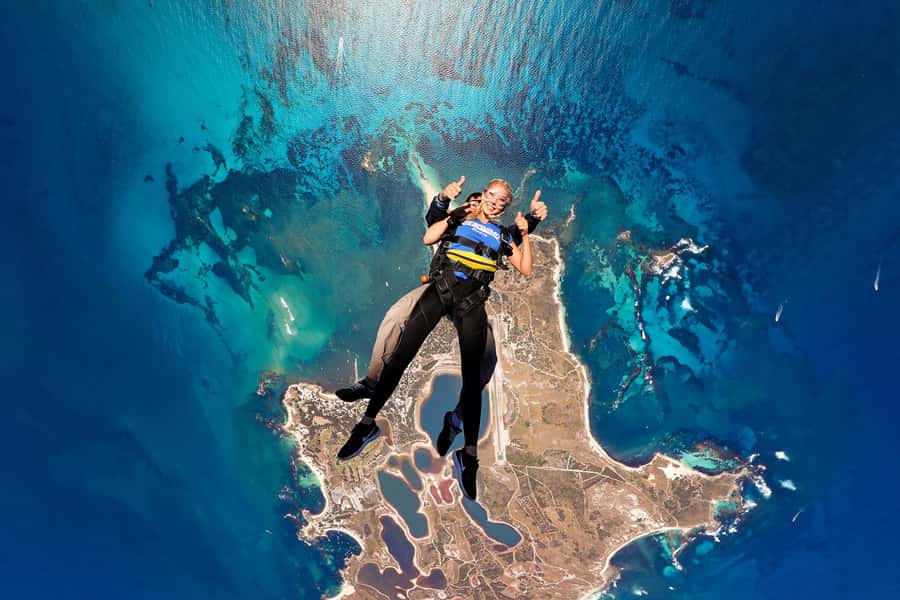
Even with the buzz of the final moment, the experience is mostly about preparation and timing. Your full block is listed at 150 minutes, and that includes check-in, paperwork, gear, safety steps, the flight, the jump, and the landing.
Here’s what your day typically feels like, step by step:
1) Arrive and check in at the Terminal Building
You meet at the Rottnest Island Terminal Building at Rottnest Airfield. It’s about a 15-minute walk from the jetty, and you’ll make your own way to the island.
2) Paperwork and a safety briefing
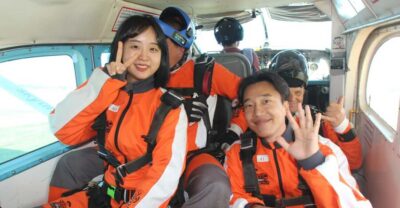
After your paperwork, you’ll get harnessed up and receive a safety briefing. This is where you learn how to position yourself, what the instructor will cue, and what to expect as you leave the aircraft.
3) Walk to the plane and climb
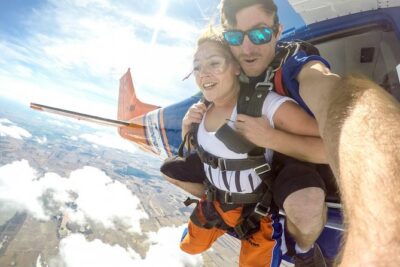
Then it’s time for the airplane climb to your chosen altitude. You’ll see Rottnest from above while you go up, which helps the nerves. You’re getting the scenery before you’re forced to focus on the door moment.
4) The jump and freefall
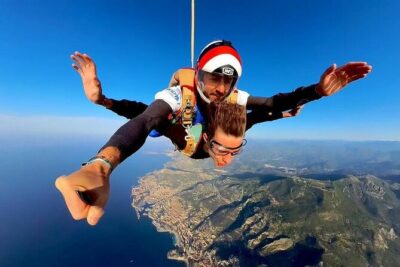
At altitude, you and your instructor jump together. Freefall speed is listed around 200 km/h, and it lasts 30 to 66 seconds depending on the height you picked.
5) Parachute deploy at 5,000 feet
Your parachute opens at 5,000 feet. That’s when the speed drops and the experience shifts into a visual, drifting feel.
6) About five minutes under canopy
You then enjoy a spectacular 5-minute parachute ride—time to look, breathe, and take in the coastline.
7) Beach landing
Finally, you land on the beach. Reviews consistently point to this as a satisfying finish: you’re not landing somewhere hidden; you’re back in a spot where friends and family can gather and watch.
On the Day: How Instructors Help With Nerves
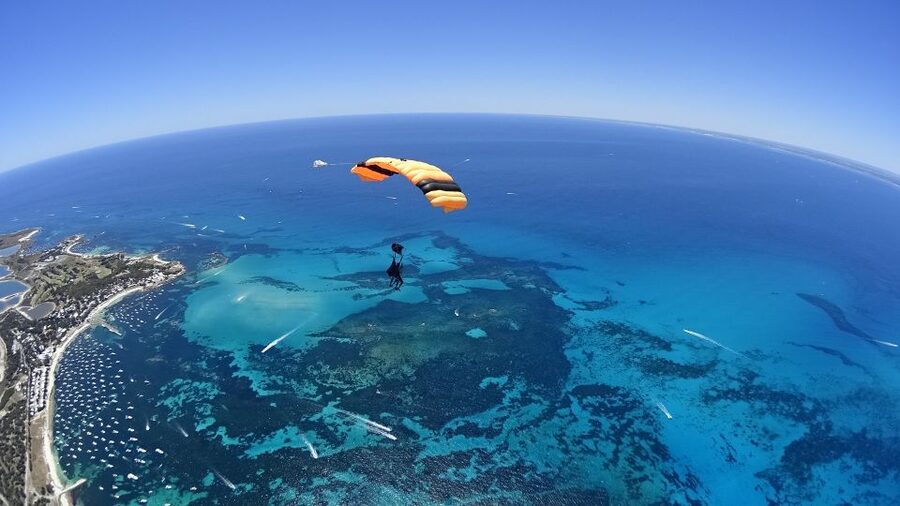
If you’re nervous, you’re not alone. What matters is how the operation handles that nervous energy. The biggest positive theme from the instructor side is reassurance that feels practical, not cheesy.
Instructors named in the experience info and feedback include Nick, Darcy, and Heath. What people liked about them wasn’t just friendliness. They were described as helpful in calming first-timers, giving clear guidance, and even capturing photos during the moment.
That’s useful advice if you’re a nervous planner: pick a mindset that works with the briefing. The goal isn’t to feel fearless. The goal is to feel informed. When you know what happens next, the fear tends to shrink and turn into a sharper, more controllable excitement.
Also, because this is a tandem jump, your role is simpler than you might fear. Your instructor is doing the mechanics. You’re doing the breathing and listening for cues.
The Scenery Moment: Why the Parachute Ride Matters
The plane-to-door-to-freefall phase is the headline, but the parachute ride is where it becomes memorable.
Why? Because freefall is intense and short. Under canopy, you’re moving more slowly, which means you can actually register the island. The experience design gives you about 5 minutes to do exactly that.
If you’re the type who likes to understand place, this is when it happens. You can look at the shoreline shapes, the water patterns, and the way Rottnest’s beaches sit relative to each other. Even if you don’t care about geography, your brain still benefits from longer viewing time. It’s that “wait, I’m seeing this” feeling with more time to process it.
Price and Value: Is $270 Worth It?
At $270 per person, this isn’t a budget activity. The value is in what’s included and what’s not.
Included highlights:
- A tandem jump from 10,000 or 15,000 ft
- Freefall at around 200 km/h for 30 to 66 seconds
- Parachute ride of about 5 minutes
- Landing on the beach
- Small group limit (up to 3 participants)
Not included (so you should plan for it):
- Transport to and from Rottnest Island
- Video and photo package (sold on the day)
So how do you decide if it’s worth it? For me, the math isn’t just the seconds of freefall. It’s that you’re buying:
- professional instruction
- safety procedures and gear
- real access to the island from the sky
- a controlled pace that includes both intensity and a slower viewing window
If you’re already spending time on Rottnest, paying for a once-in-a-while “story moment” can make sense. If you’re trying to keep your day cheap and low-stakes, you may feel the price more sharply. But for many people in Western Australia, this is the big adventure day they’ll remember years later.
Photos and Video: Should You Buy the HD Package?
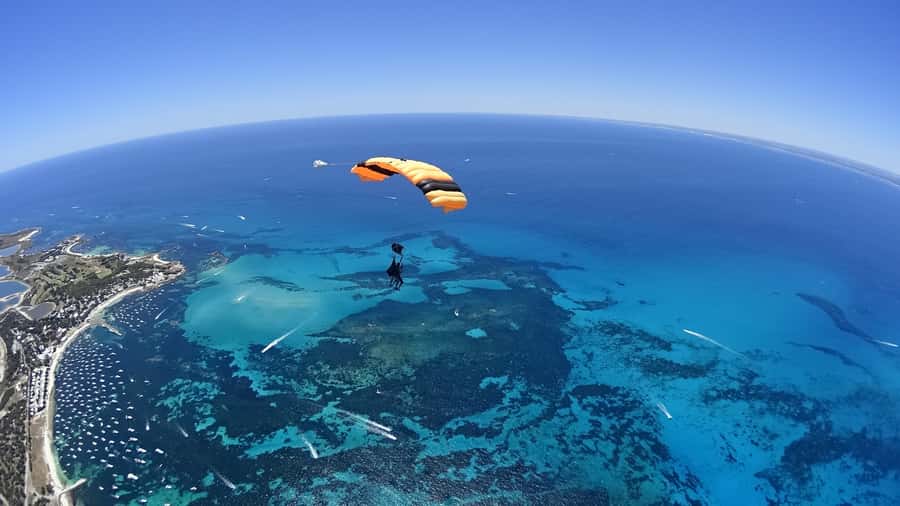
You can purchase a professionally edited high-definition video and photos package on the day. It is not included in the price you pay for the jump.
Based on how people talk about getting the package, I’d treat it as optional but sensible if:
- you want proof you did it (and not just blurry memories)
- you plan to share the experience with friends or family
- you’re going with someone and want a keepsake you can actually watch later
If you’re trying to travel light and keep costs down, you can skip it. But if you’re paying for the jump mainly for the Rottnest-from-above story, images are part of making that story last.
Getting There: Rottnest Island Logistics That Actually Matter
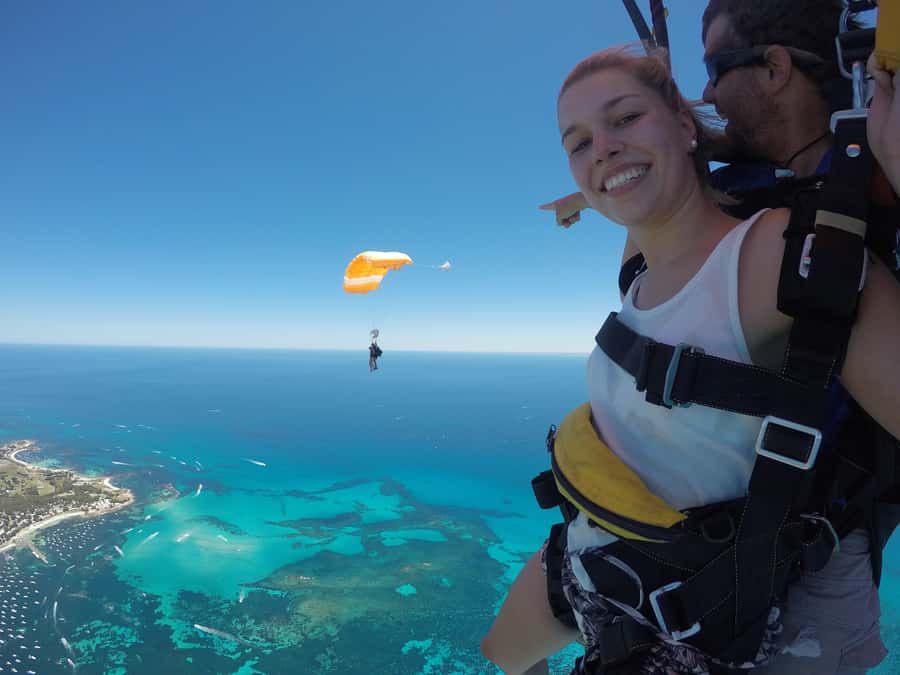
This activity meets at the Rottnest Island Terminal Building at Rottnest Airfield. It’s about a 15-minute walk from the jetty, and you’ll handle your own transport to the island.
The most important operational detail for your schedule is weather. The activity is weather dependent, and you’ll be asked to phone about 1 hour prior to your Rottnest departure time to confirm conditions are suitable for your trip. That means your ferry timing and your excitement need a little wiggle room.
Also, your exact sky time slot is confirmed after booking, depending on operating conditions and seasons. So don’t treat Rottnest day plans like a locked itinerary. Treat them like a flexible framework.
Who Can Do It (and Who Should Skip It)
This is the section to read carefully, because safety rules are not optional.
Not suitable:
- children under 16
- anyone with heart problems
- people with pre-existing medical conditions
- unaccompanied minors
- anyone over the stated weight limits (the info lists thresholds in both kg and pounds)
Weight guidance:
- Passengers weighing more than 95 kilograms are taken on a case-by-case basis.
- The data also lists maximums in pounds (including 200 lbs / 91 kg and 209 lbs / 95 kg), so if you’re near those edges, assume you’ll be assessed.
Eligibility is assessed on the day by the chief safety instructor, based on weight, height, health, and relevant medical conditions.
If you’re unsure, treat that “assessed on the day” line as your cue to ask questions early rather than assume it will work out. It’s better to plan alternatives than to arrive and find out you can’t jump.
What to Bring: Clothes and Shoes for a Smooth Check-In
This isn’t a “pack fancy” activity. It’s a “wear what lets you move” activity.
Bring:
- comfortable clothes
- closed-toe shoes
Don’t bring:
- sandals or flip-flops
That shoe rule matters because you’ll need secure footing on site and during gear handling. Use enclosed sports shoes, not casual slip-ons.
Also, if you’re prone to feeling cold in wind, you might want to layer. The data doesn’t promise weather comfort, and Rottnest can feel breezy near airfield conditions.
Final Verdict: Should You Book This Tandem Skyjump?
I think you should book it if you want a one-day adventure that combines:
- serious views of Rottnest Island from the air
- a guided experience that reduces the unknowns
- a real split between freefall intensity and a calmer parachute ride
- small-group attention (up to 3 participants)
You might skip it if:
- you’re worried about weather disrupting your day
- you’re outside the stated health or weight guidelines
- you’re trying to keep costs tight and don’t want to add optional photo/video
If you do book, my best practical tip is simple: keep your Rottnest day flexible, wear closed-toe sports shoes, and trust the briefing. Once you’re airborne, the experience does what it’s supposed to do: it turns a nervous question into a clear, unforgettable answer.
FAQ
Where is the meeting point for the experience?
You’ll meet at the Rottnest Island Terminal Building at Rottnest Airfield, Rottnest Island, Western Australia.
Do I need to get to Rottnest Island myself?
Yes. Transport to and from Rottnest Island is not included, and the meeting point is about a 15-minute walk from the jetty.
What altitudes can I choose?
You can jump from either 10,000 feet or 15,000 feet.
How long is the freefall?
Freefall lasts about 30 seconds from 10,000 feet, or up to 66 seconds from 15,000 feet.
How long is the parachute ride after the jump?
After the parachute deploys at 5,000 feet, you’ll have about a 5-minute parachute ride.
Is video and photography included?
No. A professionally edited high-definition video and photos package can be purchased on the day.
What clothing and shoes should I bring?
Wear comfortable clothes and closed-toe shoes. Sandals or flip-flops are not allowed.
Are children allowed?
Children under 16 are not suitable. If you’re 16–17, you must be accompanied by an adult or legal guardian.
What if I have a medical condition?
Your eligibility is assessed on the day by the chief safety instructor, and people with heart problems or pre-existing medical conditions are listed as not suitable.
What’s the cancellation policy?
You can cancel up to 24 hours in advance for a full refund.