REVIEW · EVORA
Skydiving in Evora
Book on GetYourGuide →Operated by Skydive Portugal · Bookable on GetYourGuide
Hearing birds from your parachute is real. This Évora tandem jump is interesting because you get the full experience without prior training, plus you’ll feel the rush of 200 km/h free fall before the parachute opens.
What I like most is how simple the process feels for a first-timer, and how the team keeps things moving with clear guidance from check-in to landing. The one real catch is that the base price can climb fast if you add the photos and videos, since those aren’t included.
In This Review
- Key Highlights You’ll Care About
- Why Évora’s Tandem Jump Feels So Straightforward
- Arriving at Évora Airfield: Check-In to Lift-Off
- The Briefing and Equipment Stage: Where Calm Comes From
- Up in the Plane Over Alentejo Plains: Build the Anticipation
- The Free Fall and Parachute Moment: 20 Seconds at 200 km/h
- After Landing: What Happens Next and How to Capture It
- Price and Value: Is $187 a Good Deal?
- Who This Évora Tandem Jump Fits Best (And Who Should Skip It)
- Practical Tips for Your Day of the Jump
- Safety, Staffing, and the Multilingual Factor
- Should You Book the Évora Tandem Jump?
- FAQ
- How long does the tandem jump experience take?
- Do I need any previous skydiving/parachuting training?
- How fast will I go in free fall?
- How long do I spend under the parachute?
- What’s included in the $187 price?
- What are the age and weight limits?
Key Highlights You’ll Care About
- No previous training required: tandem setup means you’re strapped to a qualified instructor and guided start to finish
- 200 km/h free fall for about 20 seconds: short, intense, and over fast (in the best way)
- About 5 minutes under canopy: you can literally hear birds after deployment
- Scenic flight over Alentejo plains: you’ll spend real time looking before the jump
- All equipment and sports insurance included: helps you feel covered without extra add-ons
- Multilingual team (Portuguese, Spanish, English, French): reduces the stress of understanding instructions
Why Évora’s Tandem Jump Feels So Straightforward
If you’re chasing a big “yes, I did that” moment in Portugal, this tandem parachute jump is built for first-timers. There’s no waiting for you to learn the ropes on the ground. Instead, the jump is handled as a two-person operation, with a highly qualified instructor and state-of-the-art gear designed for carrying two people.
The location also helps. Évora’s setup means you’re not just thinking about the jump—you’re also getting a scenic flight over the plains of Alentejo before you leave the plane. That matters because sky time changes your mindset. You have moments to look, breathe, and mentally line up with what comes next.
And then there’s the sound. The fact that you can hear birds after the parachute opens is the detail that sticks. It’s one of those things you can’t really picture until you’re experiencing it, and it’s a big part of why this feels more than just adrenaline.
Arriving at Évora Airfield: Check-In to Lift-Off
Your experience starts at Skydive Portugal – Escola de Paraquedismo at Évora Airfield. The first step is practical: you’ll fill in a registration form, then you’ll get a small briefing. After that, the team equips you—so you’re not left guessing what goes where.
This “come in, get set up, then go” flow is one of the reasons this tandem option works so well. You’re not managing a complicated self-guided activity. The staff handles the gear and the jump sequence, and you just follow their instructions and get comfortable.
A good tip for your own comfort: plan to wear comfortable clothes. You don’t need anything fancy, but you do want fabric that won’t irritate you while you’re seated and moving through equipment fitting.
The Briefing and Equipment Stage: Where Calm Comes From
Before you even step onto the plane, you’ll get a short briefing. For a first-time tandem jump, this part is mostly about clarity—what to expect, how to position yourself, and how to stay relaxed through the big moments.
Then comes the equipment part. You’ll be outfitted by the team, and you’ll be paired with your instructor. The key value here is the structure: you’re using equipment specifically designed for two people, so you’re not adapting to gear meant for solo jumpers.
Language support also reduces friction. The instructors and team can work in Portuguese, Spanish, English, and French. If you’re worried about the nerves of not understanding instructions, this matters more than it sounds. Even short, clear explanations help you feel in control.
Up in the Plane Over Alentejo Plains: Build the Anticipation
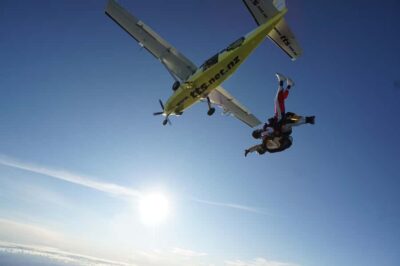
Once you’re inside the plane, you’ll get a scenic flight over the plains of Alentejo until the moment of the jump. This isn’t just travel time—it’s part of the emotional arc.
Here’s why I think that pre-jump flight is valuable for most people:
- You get to look down and orient to the area below.
- You can settle your breathing before the free fall.
- The jump itself feels like a transition, not a sudden cut.
At this stage, you’ll feel your thoughts speed up. That’s normal. The best way to handle it is to focus on what’s in front of you: hold onto the routine the team gives you, and let the scenery do its job of taking the edge off.
The Free Fall and Parachute Moment: 20 Seconds at 200 km/h
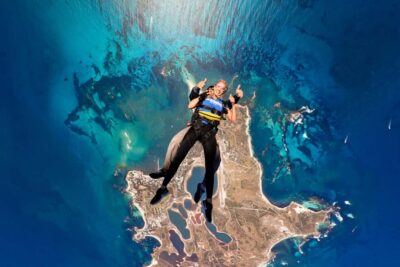
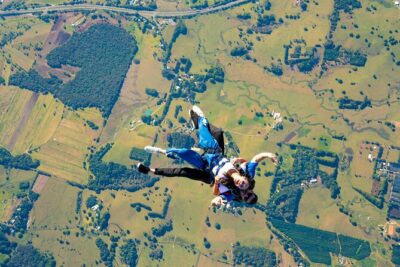
Now comes the headline: you’ll fly at 200 km/h during the free fall for about 20 seconds. That’s fast, and you’ll feel it immediately. The good news is that the free fall window is short—so you get the thrill without it stretching into something you can’t cope with.
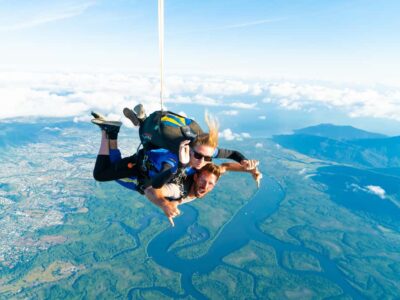
Then the parachute opens. And this is where the experience becomes surprising in a different way. After deployment, you’ll have about 5 minutes under canopy, and you can literally hear birds.
That shift—thunderous motion to a quieter, bird-filled moment—is one of the reasons people remember this jump as more than a stunt. It turns the adrenaline into something you can actually experience, not just survive.
After Landing: What Happens Next and How to Capture It
After the jump, you’ll return to Skydive Portugal – Escola de Paraquedismo. This is when things become personal. You’ll see the results of the jump right away through the service options available on the day.
One practical thing to know: photos and videos aren’t included in the base pack price. That means your final spend can jump if you decide you want a souvenir. In real terms, this is the most likely “budget surprise” for people—because the jump itself is great value and straightforward, but the memory products are optional add-ons.
If you want to keep costs predictable, decide ahead of time whether you want imagery. If you’re the type who always buys the photos for big activities, plan for that extra spend so you’re not making the decision while your adrenaline is still high.
Price and Value: Is $187 a Good Deal?
At about $187 per person for a tandem parachute jump lasting roughly 2 hours total, the value is strongest when you look at what’s included.
You get:
- the equipment needed for the activity
- sports insurance (included in the pack)
That’s not a small detail. It’s one of those behind-the-scenes inclusions that reduces hassle and uncertainty. You’re paying for the full operational setup, not just the “chance to try.”
The tradeoff is that some extras cost more—specifically photos and videos via reporting services, which you can purchase on the day if you want. If your priority is the physical experience and you don’t care about having paid keepsakes, the base price likely feels like a clean deal. If you know you’ll want the full souvenir package, you should mentally budget for add-ons.
In short: the price makes sense because the most expensive parts—specialized gear and guided tandem operation—are already covered.
Who This Évora Tandem Jump Fits Best (And Who Should Skip It)
This activity is designed for people who want the thrill of parachuting without training. It’s tandem by design, so it’s not about learning technical skills beforehand. The minimum age is 16, and if you’re under 18 you’ll need legal guardian authorization.
There’s also a maximum weight limit of 100 kg. If you’re over that, you should indicate your weight and your height in advance (so they can assess feasibility).
On medical suitability, the information is very direct. The tandem jump can be done only if you do not have conditions such as cardiovascular, respiratory, neurological, or orthopedic diseases, along with glaucoma, chronic otitis, sinusitis, epilepsy, drug addiction, alcoholism, and diabetes (or other conditions that prevent the person from doing the activity). People with heart problems are specifically noted as not suitable.
Pregnancy is also listed as not suitable.
If you fall into the “cleared and eligible” group, this is a great choice for:
- first-timers who want guidance and equipment handled for them
- couples or friends doing a shared adrenaline moment
- people who like the mix of quiet under canopy plus a fast burst of free fall
Practical Tips for Your Day of the Jump
You don’t need special gear beyond comfortable clothing. But you do want to think about how you’ll feel in the moments before the jump—because that’s when nerves can creep in.
A few practical ideas that align with how the day runs:
- Wear comfortable clothes you can move in while you’re being equipped.
- Keep your mindset on the sequence: form → briefing → equipment → plane → free fall → parachute → landing.
- If you care about photos/videos, decide what you want ahead of time so it doesn’t become a last-minute expense decision.
Also, remember that you’re paired with an instructor. That means you shouldn’t be trying to “do it yourself.” The goal is to follow instructions and stay comfortable in the provided setup.
Safety, Staffing, and the Multilingual Factor
Safety isn’t just a tagline here—it’s built into how the experience is run. You jump with a highly qualified instructor using state-of-the-art equipment designed for two people. That’s the heart of tandem safety: the instructor is managing the equipment and the process while you focus on being a passenger.
Staff language support adds a layer of confidence. Portuguese, Spanish, English, and French are available, so you can understand instructions rather than guess. One of the strongest parts of the experience is how the team handles the whole flow, from briefing clarity to being there at key moments.
And yes, there’s an emotional component, too. One review highlighted how fun and supportive the team felt, including the instructor and the photographer crew. Another review praised how clear the briefing instruction was. That’s not “safety by vibes,” but it is part of why the day feels manageable.
Should You Book the Évora Tandem Jump?
Book it if you want a first-timer-friendly tandem experience with a fast, high-speed free fall and a calmer under-canopy moment where you can hear birds. It’s also a strong pick if you value that your price includes equipment and sports insurance, and you don’t want to worry about training.
Skip or reconsider if you’re outside the age or weight range, or if you have any of the listed medical conditions, especially anything heart-related, or if pregnancy is part of your situation.
If you’re on the fence, the best way to decide is simple: do you want the real physical experience more than you want a fully controlled budget? If the answer is yes, this is the kind of activity that can become a highlight of your trip to Portugal.
FAQ
How long does the tandem jump experience take?
The total duration is about 2 hours, from check-in and briefing through the flight, jump, and landing back at the school.
Do I need any previous skydiving/parachuting training?
No. This is a tandem jump designed as the easiest way to do a parachute jump without previous training.
How fast will I go in free fall?
You’ll reach about 200 km/h during free fall for roughly 20 seconds.
How long do I spend under the parachute?
After the parachute opens, you’ll spend about 5 minutes under canopy.
What’s included in the $187 price?
The price includes all equipment needed for the activity and sports insurance.
What are the age and weight limits?
You must be at least 16 years old. For those under 18, legal guardian authorization is required. The maximum allowed weight is 100 kg.