REVIEW · ALGARVE
Algarve: Tandem Skydiving Adventure 15,000 to 10,000 Feet
Book on GetYourGuide →Operated by Skydive Seven · Bookable on GetYourGuide
A jump from 15,000 feet turns your whole day upside down. In the Algarve, you get pro tandem guidance and big coastline views—even if you’ve never done anything like this before. The main thing to consider is that the optional photo/video add-on can push the total price up fast.
I like that the experience is built for first-timers: short intro, professional instructors, and clear pacing as you climb, free fall, and then let the parachute take over. Just go in with the right mindset: you’re buying the thrill and the safety system, and planning for extra souvenirs beyond the base package.
In This Review
- Key Things That Matter Before You Go
- Why This Tandem Free-Fall Jump Over the Algarve Feels Worth It
- Getting to SK7 at the Portimão Airfield (and Why It’s Convenient)
- Your 2-Hour Plan: From Check-In to Parachute Landing
- Stop: Yellow SK7 at the Aerodromo Municipal de Portimão
- A short flight before the free-fall
- Free fall (up to about 70 seconds)
- Instructor deploys the parachute, then you glide down
- Back to SK7 after the jump
- Choosing 10,000 Feet or 15,000 Feet: What Changes in Real Life
- Safety and Instructor Style: The Reason People Keep Saying It Feels Secure
- What’s Included in the $215 Price (and What Costs Extra)
- The optional photo/video package
- What to Bring and What to Wear (So You Don’t Feel Mishandled by Clothing)
- Who This Tandem Algarve Jump Fits Best (and Who Should Think Twice)
- The Bottom Line: Should You Book This Algarve Tandem Free-Fall Jump?
Key Things That Matter Before You Go
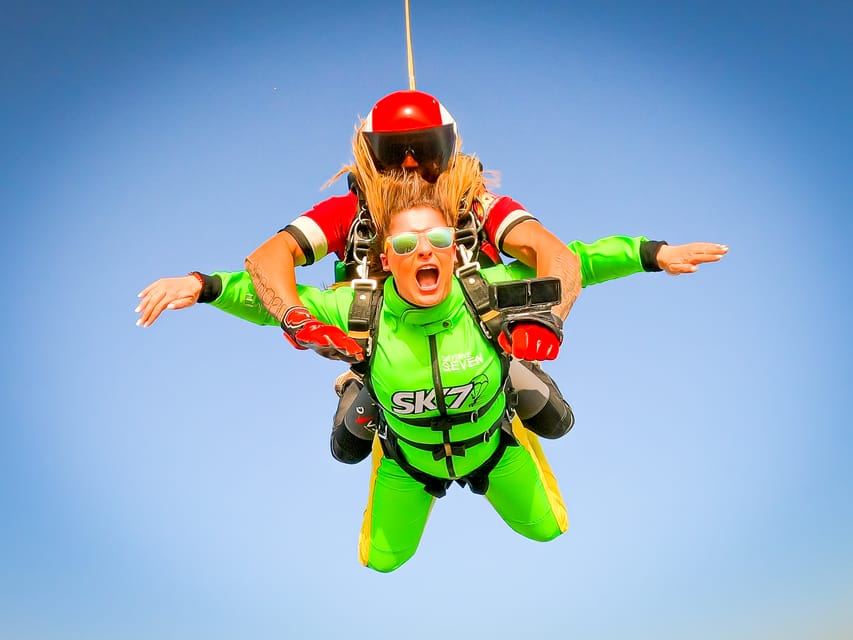
- 10,000 vs 15,000 feet: choose your level of free-fall time, with up to about 70 seconds before the instructor deploys the parachute
- Tandem instructor safety: you jump with an experienced pro and a large parachute designed for this activity
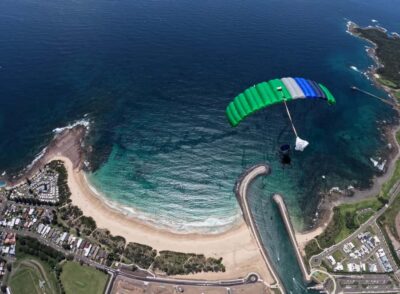
- Algarve coastline from above: you’re meant to see Portugal’s coastal towns and villages while you fall and then glide down
- You get keepsakes included: a skydiving certificate and sunglasses are part of the price
- Optional photo/video souvenir: it’s offered during the experience and costs extra, based on what you choose
- 2 hours on the clock: plan for a full block of time, since start times depend on availability
Why This Tandem Free-Fall Jump Over the Algarve Feels Worth It
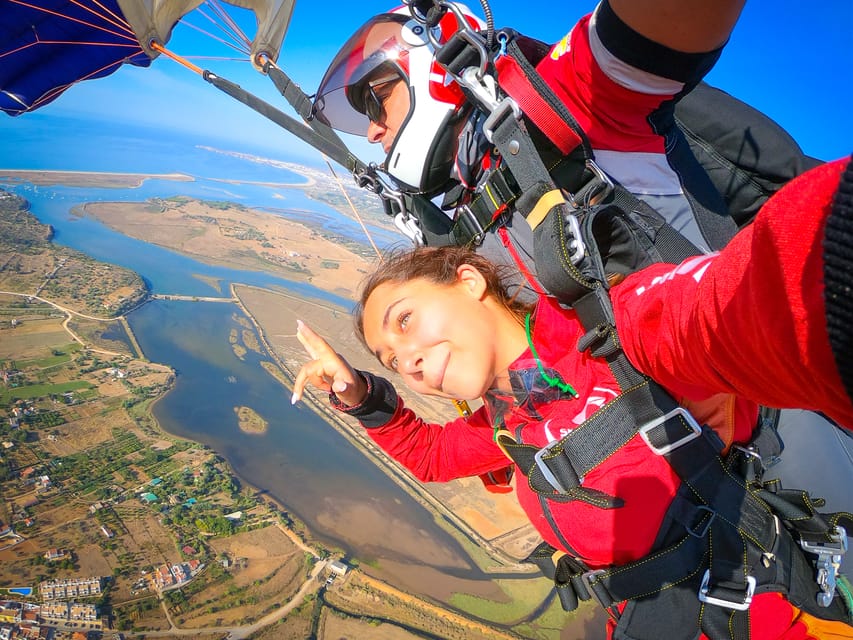
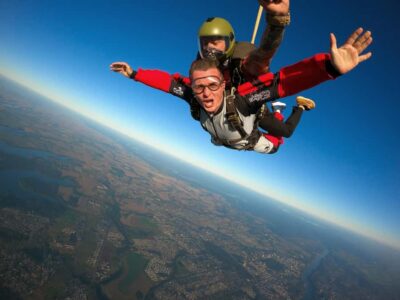
This is the kind of experience that’s hard to “explain” and easy to remember. You start with a short flight, then you’re released into free fall with an instructor right there with you. The payoff is two things at once: the body-rush of adrenaline and the view of Portugal’s southern coast as you come back toward the ground.
If you’re worried about feeling out of control, the structure helps. You’re not trying to pilot anything. You’re strapped into a tandem setup, guided by a professional, and you follow their cues from the first moments. I’d also call out the pacing: your instructor opens the tandem parachute after either 20 or 70 seconds of free fall (depending on the jump option and conditions).
My only real caution is about spending surprises. The base price is $215, but there’s an optional video and photo package taken during the jump. Multiple people described that add-on as expensive—often around the 90–95 euro range—so decide in advance if you want digital keepsakes or if you’d rather keep the cost closer to the original quote.
Getting to SK7 at the Portimão Airfield (and Why It’s Convenient)
Your meeting point is at the SK7 front office (Yellow SK7) at the Aerodromo Municipal de Portimão, 8500-059 Portimão. The activity ends back at the same place, so it’s a simple “go and return” setup.
What makes this location practical is the drive time to the major Algarve hubs:
- about 5 minutes from Alvor
- about 10 minutes from Portimão
- about 15 minutes from Lagos
- about 30 minutes from Albufeira
- about 45 minutes from Faro
So if you’re staying in the west (Lagos/Alvor/Portimão), you won’t feel like you’re traveling ages just to do this one thrill. If you’re in Albufeira, it’s still a manageable chunk of time, but you’ll want to build in buffer for traffic and parking.
Your 2-Hour Plan: From Check-In to Parachute Landing
The total time on the ground and in the air is listed as 2 hours. Start times depend on availability, so pick a time that doesn’t force you to rush meals or drive in on empty nerves. Aim to show up with enough energy to focus on the instructions, not just survive the commute.
Here’s how the flow works, based on what’s described for the experience:
Stop: Yellow SK7 at the Aerodromo Municipal de Portimão
You’ll make your own way to the SK7 front office (Yellow SK7). Expect to handle basic identity and check-in needs—because you must bring passport or an ID card (national ID or passport is mandatory).
A short flight before the free-fall
Before you jump, you go up in a plane. This isn’t long enough to turn into a long wait, but it’s enough to help your brain adjust. The flight phase matters because it sets the stage: you get the intro to what’s about to happen and the instructor can talk you through the release and what to focus on.
Free fall (up to about 70 seconds)
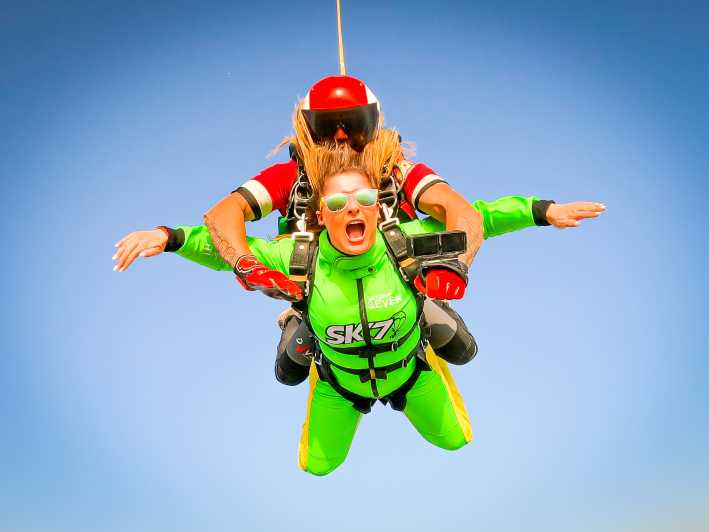
Once the instructor takes you through the jump sequence, you enter free fall. The experience is designed for first-timers, so you get tandem stability from the start. The instruction timing is clear: your instructor opens the parachute after 20 or 70 seconds of free fall.
That difference is the real reason people choose 15,000 feet. It’s the longer stretch where your body feels the full effect of gravity. Even if you’re the kind of person who overthinks everything, this part is typically what you end up remembering as the “this is really happening” moment.
Instructor deploys the parachute, then you glide down
After free fall, the parachute opens under your instructor’s control. You’ll then shift from adrenaline panic to controlled flying—still thrilling, but no longer the pure drop feeling. The views are the payoff here, because you’re given the chance to take in the Algarve coastline of coastal towns and villages from up high before landing.
Back to SK7 after the jump
The activity ends back at the meeting point. So you can treat this like a clean, contained half-activity—not a whole day-long trek.
Choosing 10,000 Feet or 15,000 Feet: What Changes in Real Life
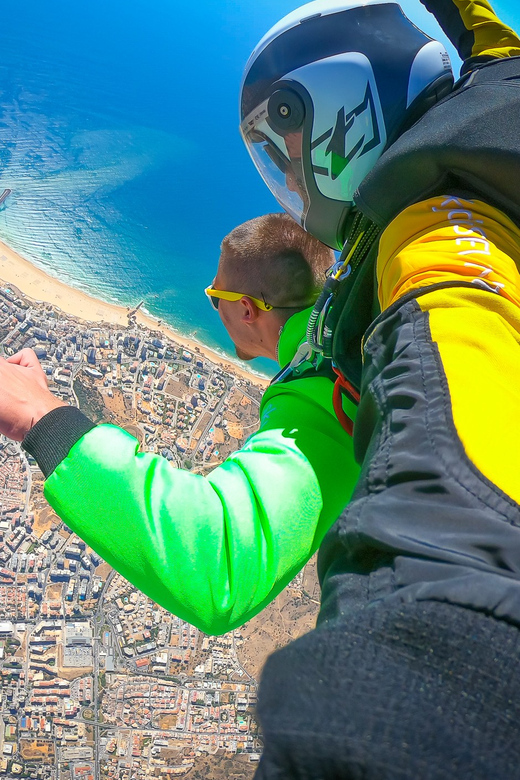
This experience offers two main altitude options: jumping from 15,000 feet or from 10,000 feet. Since free fall is described as lasting up to about 70 seconds, your jump choice affects how long you spend in that pure, weighty free-fall feeling.
If you’re a first-timer and you’re nervous, 10,000 feet can feel like the smartest “test the water” version—still a real free-fall moment, but with less time in the air before the parachute opens.
If you want the classic bucket-list version, 15,000 feet is the move. The longer free-fall window is where you’ll feel the most adrenaline. It’s also where the “wow” comes from when you realize you’re looking down at the Algarve coastline as you’re falling.
Either way, you jump tandem with a professional instructor, so you’re not making the decision based on risk. You’re choosing based on how long you want that rush.
Safety and Instructor Style: The Reason People Keep Saying It Feels Secure
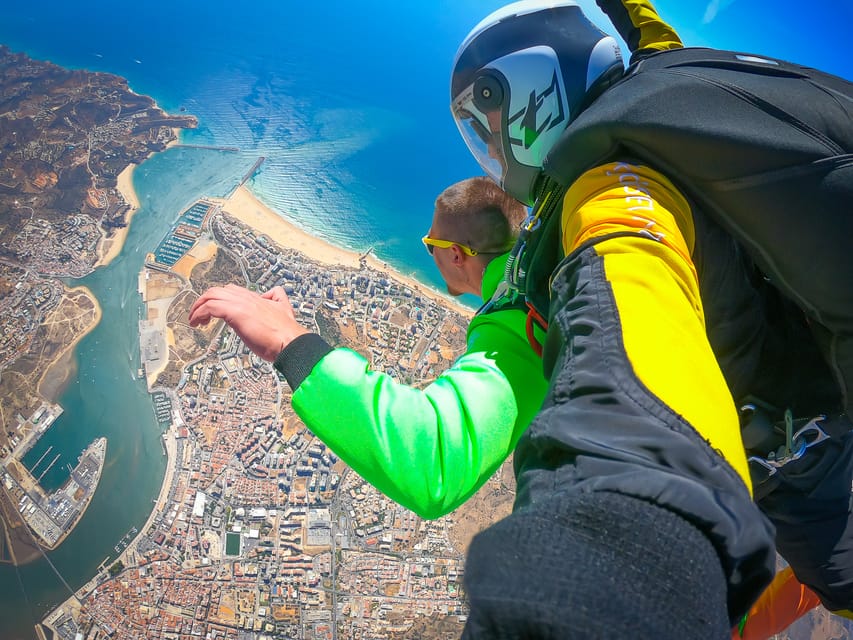
This is a tandem jump with an experienced instructor, and the description explicitly notes instructors with thousands of parachute-jump experience. You’re also set up with a large parachute designed for the activity.
In plain terms, this matters for first-timers because the hardest part isn’t the math of the jump—it’s the emotional uncertainty. The best instructors reduce that uncertainty by being clear, calm, and confident. From the names that show up in people’s experiences, you may get instructors such as Fred or John (often described as funny and reassuring), or André (often described as hilarious and good at putting nerves at ease). Even if you don’t get the same person, the pattern is consistent: strong communication and hands-on reassurance.
One more safety-related detail: you’re offered an optional video and photo package during the experience, taken by your tandem instructor. That means your instructor stays focused on the job while capturing the moment—another reason this setup is more organized than you might imagine.
What’s Included in the $215 Price (and What Costs Extra)
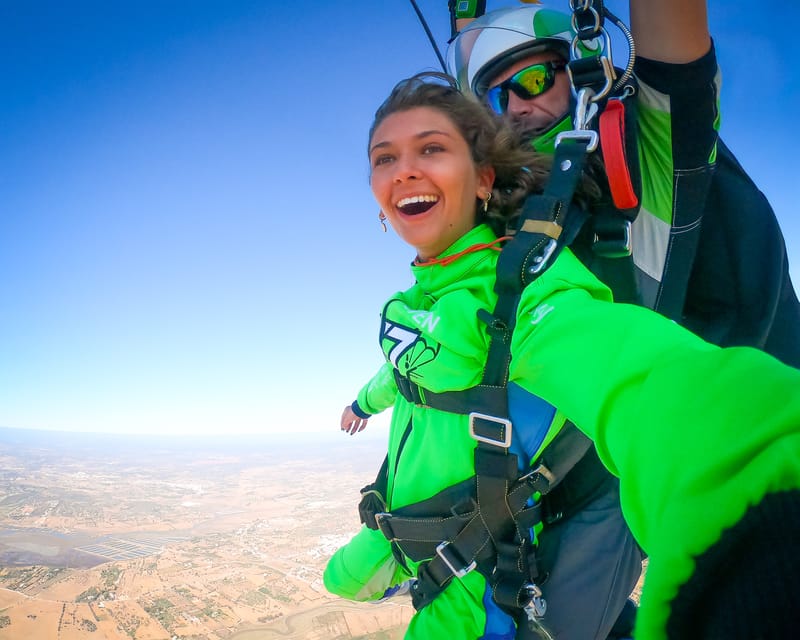
At $215 per person, the core package includes:
- a tandem free-fall jump from 15,000 or 10,000 feet
- a skydiving certificate
- sunglasses as a souvenir gift
That’s actually decent value. You’re paying for a trained tandem instructor, the aircraft flight, the jump equipment, and the operation that makes the whole thing work safely. The included keepsakes are also a nice touch—especially the certificate, which makes it feel like more than just an adrenaline event.
The optional photo/video package
You’ll be offered an optional video and photo package taken during the jump. Multiple people flagged that the souvenir is pricey, but also said it can be worth it because it’s hard to recreate the view later.
A practical way to decide: if you want one “proof of experience” file for family and friends, plan for the extra cost. If you’d rather spend that money on Algarve meals and beaches, you can skip it and still leave with the certificate and sunglasses.
What to Bring and What to Wear (So You Don’t Feel Mishandled by Clothing)
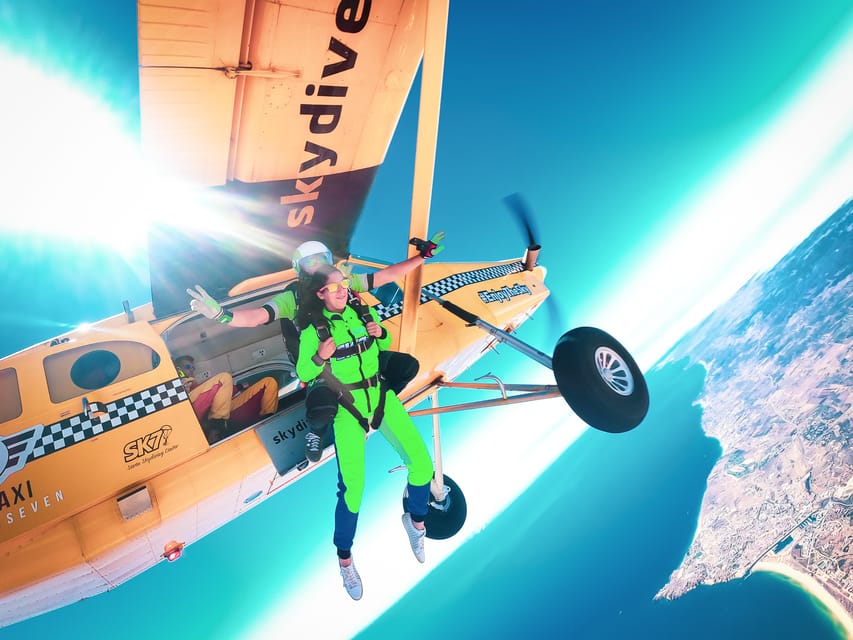
You’ll want to keep your gear simple:
- passport or ID card
- comfortable clothes
- comfortable shoes
That’s it. No special gear is listed, which is good news. Avoid anything bulky or fussy. You’re going through the airport-in-your-mind phase of getting ready, and comfort helps you focus on the jump instructions instead of your own outfit choices.
One practical tip that came up in a less-than-perfect rating: bring ear plugs. Wind and noise are part of the experience, and ear protection can make the free-fall and landing smoother on your nerves.
Also, think about your day planning. One helpful piece of advice that keeps popping up: eat normally and hydrate beforehand. Adrenaline can wipe you out after, so plan to have water and something sweet after you land.
Who This Tandem Algarve Jump Fits Best (and Who Should Think Twice)
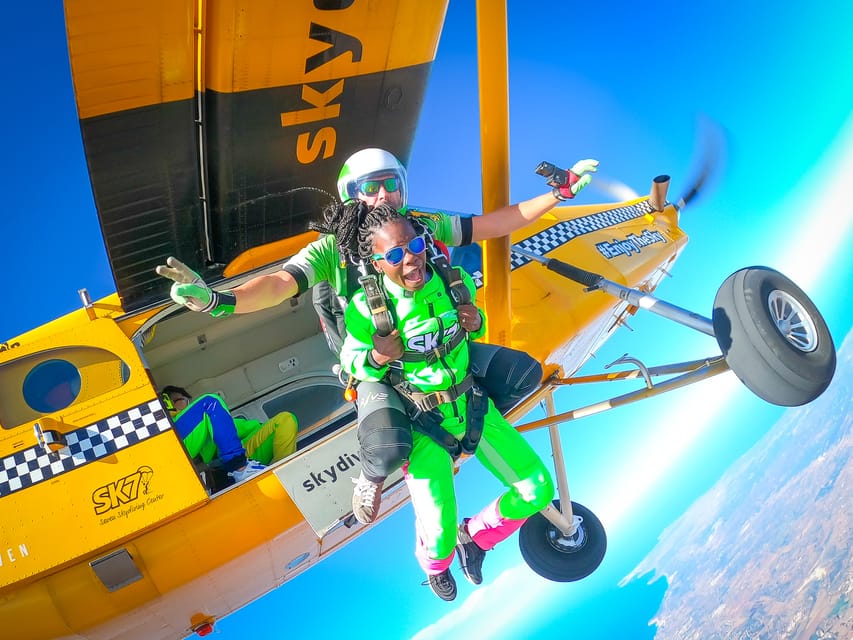
This experience is designed for first-timers. You’ll get an intro to free fall and you’ll jump tandem with a professional instructor. If you like your adventures with guardrails—clear process, guided control, and safety-first setup—this is a strong match.
It also lists wheelchair accessibility, so the operator is set up for that.
Now the cautions:
- Minimum age is 16 years old.
- There are weight limits. The information says a maximum weight permitted is 120 kg (264.5 lb), but it also says it’s not suitable for people over 220 lbs (100 kg). That conflict is important—if you’re in the 100–120 kg range, you should confirm which rule applies to you and whether extra fees apply.
- You may have extra fees if you’re between 90 kg and 110 kg, as noted in the weight policy.
- If you’re expecting solo control, this isn’t that. It’s tandem with an instructor.
The Bottom Line: Should You Book This Algarve Tandem Free-Fall Jump?
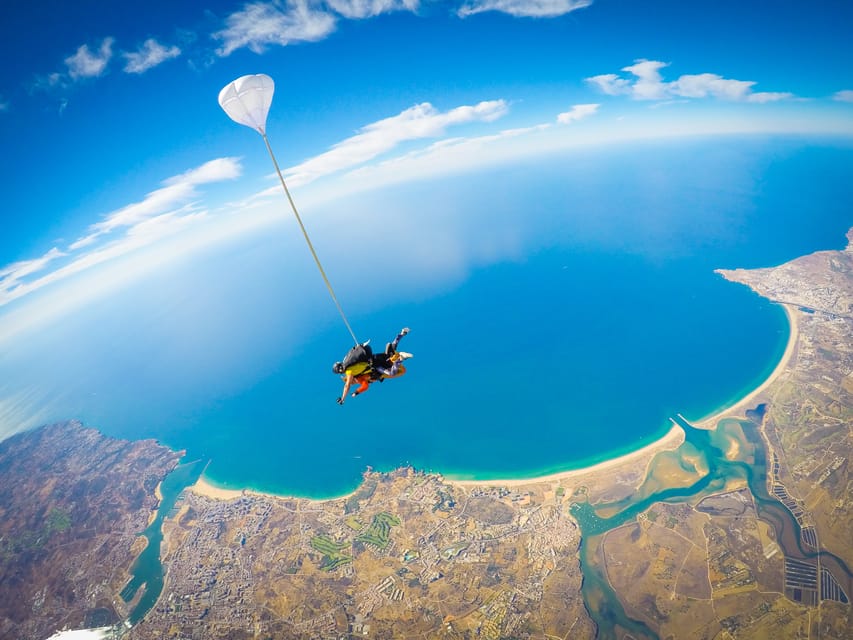
I’d book this if you want a once-in-a-lifetime adrenaline moment with a professional you don’t have to trust blindly—you’re strapped in, instructed, and guided the whole way. The Algarve views are a real part of the value, not just scenery for photos, because the free-fall and glide phases are built around seeing the coast.
I wouldn’t book it if:
- you’re sensitive to the idea of noise and adrenaline and haven’t thought about ear protection
- you’re on a tight budget and don’t want to consider an optional video/photo package
- you’re close to the stated weight limits and haven’t confirmed which policy applies to you
If your biggest concern is fear of the unknown, that’s exactly what tandem is meant to solve. Pick a time you can be calm, bring your ID, wear comfortable shoes, and decide now whether you want the optional souvenir package or want to keep your spending focused on Algarve memories that last longer than a download link.