REVIEW · LONDON
London: iFLY Indoor Skydiving at The O2 Entrance Ticket
Book on GetYourGuide →Operated by iFLY Indoor Skydiving UK · Bookable on GetYourGuide
That first rush of air feels like real free-fall. iFLY at The O2 brings skydiving indoors with a vertical wind tunnel and an instructor right there with you. I like that you get two flights, so you can learn the basics and then put it into practice right away. I also like the included flight certificate, which makes the whole thing feel more than a one-off stunt. One thing to keep in mind: the actual flying time can feel short, so you’ll want to plan around the longer total visit.
If you’re curious about skydiving but hate the idea of planning around weather, planes, and nerves, this is a smart try. You’ll suit up, learn body control, and experience the sensation of free-fall conditions while staying in a controlled setup. The wind tunnel is the star here: powerful, steady airflow lets you float up and down without jumping out of anything.
The main drawback is value. At $107 per person, you’re paying for technique, time in the tunnel, and an instructor. If you go in expecting a long “ride,” you may feel it’s pricey for the short window in the air.
In This Review
- Key things to know before you go
- Entering iFLY at The O2: what your visit is really like
- How the vertical wind tunnel recreates free-fall conditions
- Your two flights: learning once, then improving right away
- Gear up safely: what’s included and what to plan for
- Instructor coaching: how you’ll learn the body skills fast
- Price and value: is $107 fair for 2 flights?
- Who should book iFLY, and who should skip it
- Practical tips so your flights go smoother
- Should you book iFLY Indoor Skydiving at The O2?
- FAQ
- Where is the meeting point for iFLY Indoor Skydiving at The O2?
- How early should I arrive before my booked flight time?
- How long is the experience?
- What is included in the ticket?
- What’s not included?
- Who can participate?
Key things to know before you go
- Two flights, real skill-building: the format is designed so your second flight builds on what you learned first.
- Instructors stay close: you’re not left to figure it out alone.
- Vertical wind tunnel thrills: you get free-fall conditions without the plane part.
- Longer visit than you think: plan for check-in time before you fly.
- No alcohol or drugs: safety rules are firm and clearly stated.
- Not everyone is a match: back problems, mobility issues, and pregnancy are not suitable.
Entering iFLY at The O2: what your visit is really like
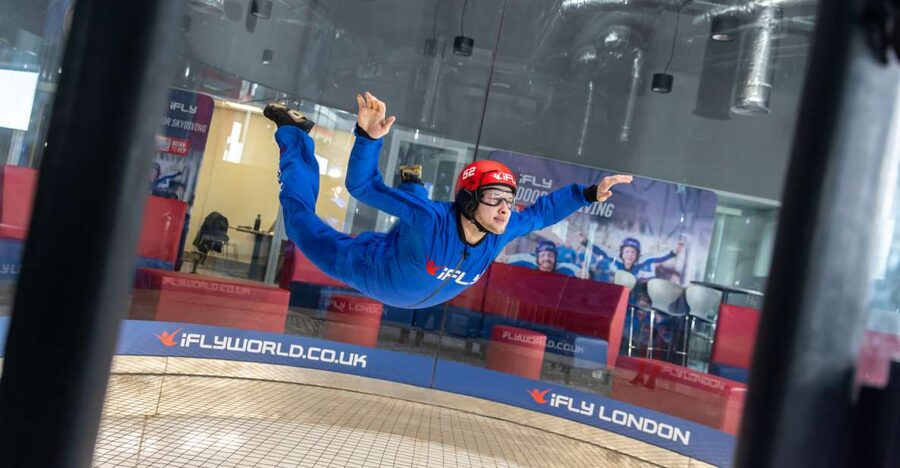
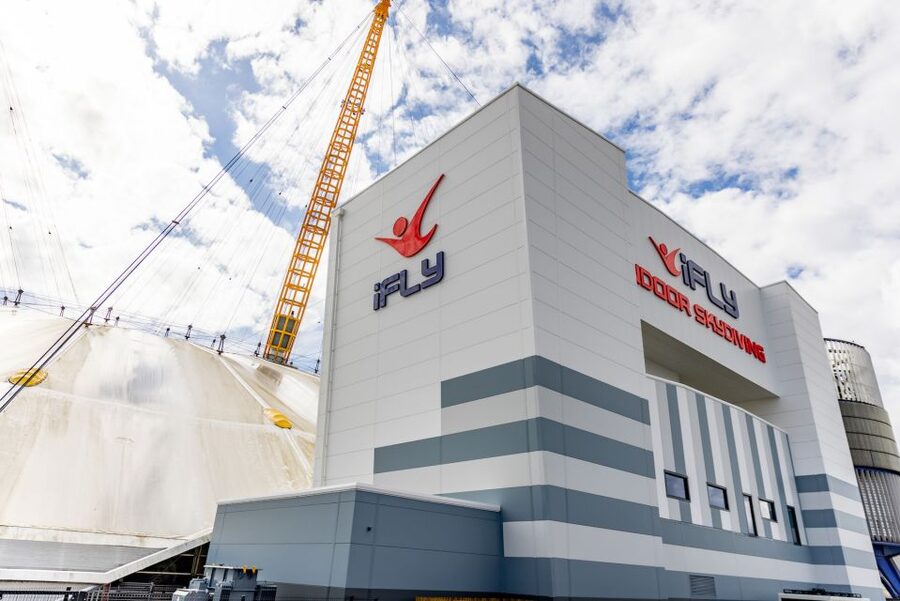
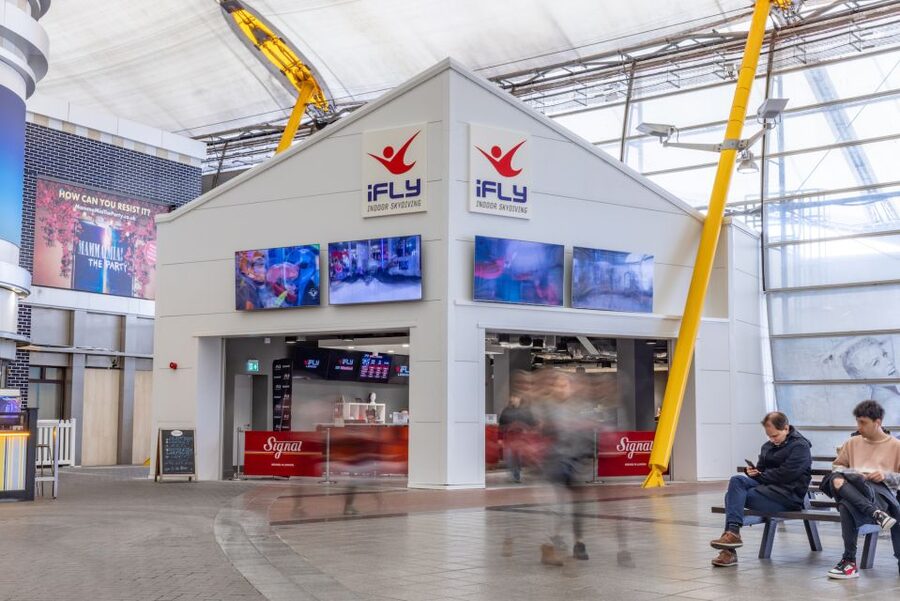
iFLY Indoor Skydiving UK is tucked into The O2 in London, and your day starts at the iFLY store there. You’ll check in by showing your voucher, then get ready for a short, intense session built around controlled airflow.
Timing matters. Your booked slot is only part of the total experience. The guidance is to arrive at least 45 minutes before your flight time so you can check in, gear up, and get briefed. That early arrival can feel like a waiting game, but it’s usually what keeps the session smooth once your turn comes.
Also, the duration listed for the experience is about 1.5 hours. Don’t treat that as 90 minutes of flying. One person noted the flying felt like roughly a 10-minute session, with the earlier check-in eating up a lot of the clock. Translation for you: go in expecting an action-packed taste of skydiving, not an all-day adventure.
If you’re going with friends or family, plan the vibe. This isn’t a passive attraction. It’s closer to a sport experience with safety rules, coaching, and effort.
How the vertical wind tunnel recreates free-fall conditions
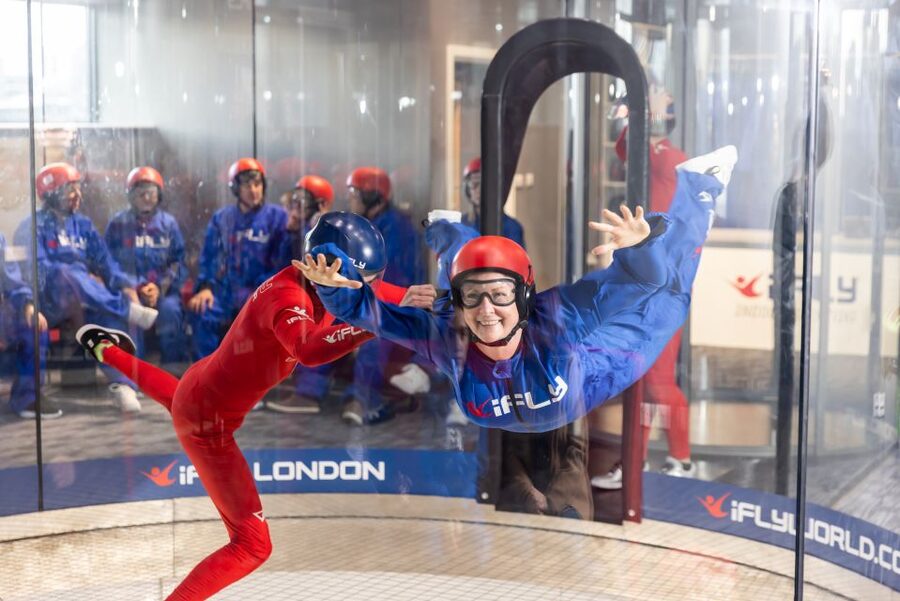
The core of iFLY is the vertical wind tunnel. Instead of a plane dropping you out of the sky, the tunnel’s air flow creates the sensation of being lifted and then pushed into free-fall-like conditions.
Here’s what that means in practice. After you’re suited up with a jumpsuit and helmet, an instructor guides you through the basics. You’ll learn how to position your body so the airflow supports you. Then you’ll experience that signature rush: air beneath you, controlled floating, and the feeling of falling without actually jumping.
Two things make this work for first-timers:
- You don’t start from zero: instruction happens right there, close at hand.
- The environment is controlled: you’re not dealing with sky conditions, height, or wind. The challenge is your body positioning, not the weather.
If you’ve ever watched skydiving videos and thought, I want the sensation but I’m not ready for the real jump, this is built for that exact curiosity.
Your two flights: learning once, then improving right away
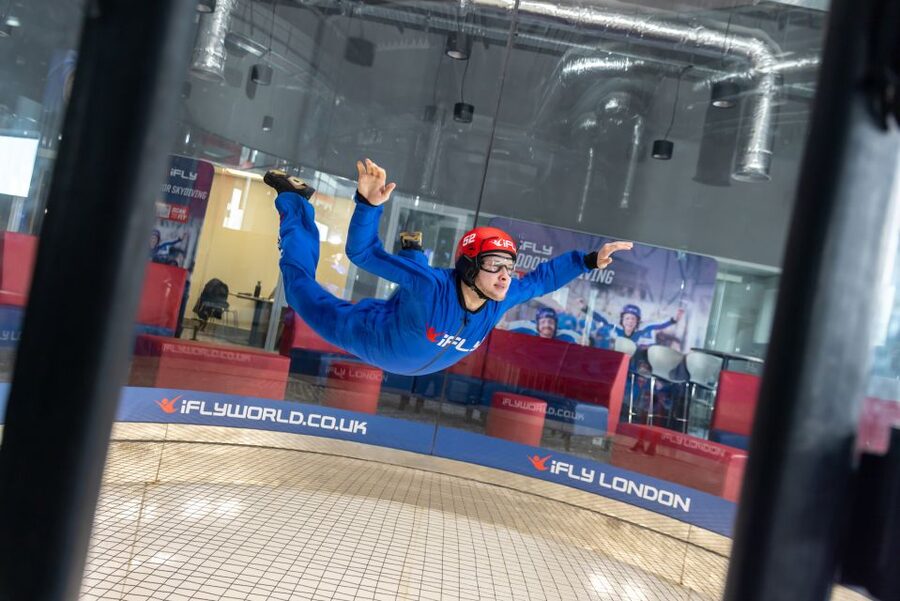
This ticket includes 2 flights, and the structure is a big part of the value. The idea is simple: use flight one to get your bearings and pick up the instructor’s cues, then use flight two to refine.
That matters more than it sounds. Indoor skydiving isn’t just about being brave. It’s about learning how to align your head, shoulders, and body so the airflow does what it should. With two attempts, you get a real feedback loop instead of a single shot and done.
What to expect across the flights:
- You’ll start with coaching focused on the basics.
- You’ll then apply that in your second flight with the chance to correct what didn’t click.
- The instructors are there throughout, so you’re not left to guess.
If you’re going in with a group, you’ll also see the difference between people who treat it like a quick thrill and people who take instructions seriously. The ones who listen closely usually get the most out of both flights.
Gear up safely: what’s included and what to plan for
Your ticket includes the gear and training time. Included items are equipment plus a flight certificate, and you get those 2 flights. Not included are photos, videos, extra flights, virtual reality flights, and a higher-level high-flight option you can buy on the day.
That’s a useful distinction. If you care about footage for social media or keepsakes, check what they offer and budget for it early. The included certificate is a nice touch, but if you want photos or video, you may need to pay extra.
On the safety side, the rules are clear:
- No intoxication
- No alcohol and drugs
They also list health and fitness conditions. You may fly if you:
- Weigh less than 18 stone and 7 pounds (117 kg)
- Are not pregnant
- Have not previously dislocated your shoulder
- Are not under the influence of alcohol or non-prescribed drugs
- Are not wearing a hard cast
They also list what isn’t suitable:
- Children under 3 years
- Pregnant women
- People with back problems
- People with mobility impairments
And yes, it’s ages 3 and above for suitability, but the practical reality is that younger kids need to follow safety instructions and stay positioned correctly for the airflow to work safely.
The humor-free takeaway: this is a sport experience with strict safety boundaries. The better you prepare your body and your mindset, the smoother it goes.
Instructor coaching: how you’ll learn the body skills fast
What makes iFLY feel like more than a gimmick is the instructor support. You don’t just step into a wind tunnel and hope for the best. You’re taught the basics for flying and skydiving conditions indoors with your instructor nearby the whole time.
The fastest learners tend to do a few things:
- Listen carefully during the briefing and copy what they say, not what you think will work.
- Stay calm if you wobble. Wobbling is part of the process.
- Focus on body position rather than trying to “fight” the airflow.
Also, the instructor language is English, which is good to know if your group needs straightforward guidance.
If you’re worried you might feel awkward, remember: this is designed for beginners. The tunnel does the physical job; your job is to follow instructions and adjust your position.
Price and value: is $107 fair for 2 flights?
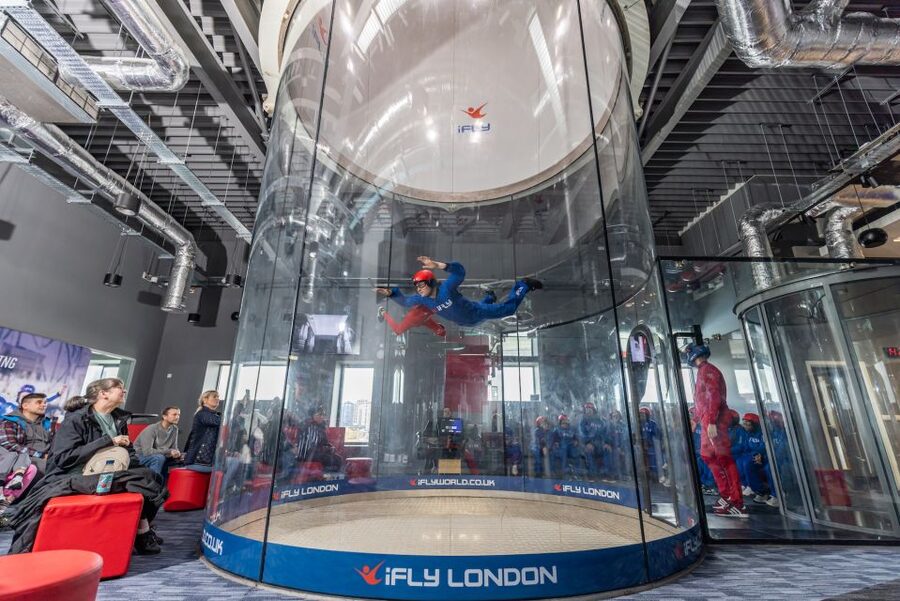
At $107 per person, you’re paying for access to a top-tier facility, two guided flights, safety equipment, coaching, and a flight certificate. It’s not cheap, but it’s not random pricing either.
Here’s how to judge the value for yourself:
- If you want a short, intense thrill with coaching: it can feel worth it, because the experience includes two flights and built-in practice time.
- If you expect a long hang-time adventure: you might feel it’s overpriced, since the overall visit includes check-in time and the flying itself can be brief.
- If you compare to “real skydiving”: indoor skydiving can be a great alternative when you want the sensation without the full outdoor logistics.
The reviews hint at a common theme: people can love the experience but still call it expensive for what they get. So I’d treat it like a paid skill session as much as a thrill ride. If you show up ready to work for that sensation, you’ll likely feel better about the cost.
Who should book iFLY, and who should skip it
This experience fits best if you:
- Want the sensation of free-fall without the plane jump
- Are comfortable being coached and adjusting quickly
- Can follow safety rules and stay sober and clear-headed
- Have the right physical requirements (including shoulder history and weight limit)
It’s especially suitable if you’re booking with friends or family who want something active and different. It can work well for groups because everyone shares a single challenge and gets instruction in the same facility.
You may want to skip it if you:
- Have back problems or mobility impairments, since it’s not suitable
- Are pregnant
- Have a history that includes a previously dislocated shoulder
- Don’t plan to follow the no-alcohol/no-drugs rules
And if you’re bringing kids, note that it’s suitable for ages 3 and above, but it’s still a safety-focused activity. If your child is likely to ignore instructions or struggle with helmet and body positioning, it may not feel like a good fit.
Practical tips so your flights go smoother
These are the small things that can make the difference between a frustrating session and a fun one.
- Arrive early: the guidance is 45 minutes before your booked time, and that waiting period is part of the deal.
- Go in ready to listen: the biggest improvements happen when you copy the instructor’s cues.
- Treat it like a sport: one comment stressed that it’s for athletic people and not a passive ride. You’ll get more from it if you approach it with that mindset.
- Plan for extras: photos, videos, extra flights, VR flights, and high-flight are not included. If you want them, budget.
- Bring the right expectations: expect a short time in the tunnel, twice, with coaching—not a long session of free-flying.
Should you book iFLY Indoor Skydiving at The O2?
Book it if you want a controlled, instructor-led way to experience free-fall sensations in London, and you’re happy to pay for coaching plus two flights. It’s also a good choice if you’re trying something bold but don’t want the outdoor jump logistics.
Skip or reconsider if $107 feels hard to swallow for a brief activity, or if you’re not comfortable with a hands-on sport-style challenge. Also, take the eligibility rules seriously. If you’re not a fit based on the listed restrictions, don’t try to “talk your way in.”
If you match the requirements and you want the thrill with a real chance to improve on your second flight, this is the kind of outing you’ll be talking about afterward for the right reasons.
FAQ
Where is the meeting point for iFLY Indoor Skydiving at The O2?
Head into the iFLY London store at The O2 and show your voucher.
How early should I arrive before my booked flight time?
Please arrive at the meeting point at least 45 minutes before your booked flight time for check-in.
How long is the experience?
The experience duration is listed as 1.5 hours, with check availability to see starting times.
What is included in the ticket?
The ticket includes 2 flights, equipment, and a flight certificate.
What’s not included?
Not included are photos, videos, extra flights, virtual reality flights, and high-flight (available for purchase on the day).
Who can participate?
The experience is suitable for ages 3 and above. It is not suitable for children under 3, pregnant women, people with back problems, and people with mobility impairments. They also list limits such as not flying if you are intoxicated or under the influence of alcohol or non-prescribed drugs, and having requirements like weight under 117 kg and not having previously dislocated your shoulder.