REVIEW · AORAKI MOUNT COOK VILLAGE
Mount Cook: Tandem Skydive Experience
Book on GetYourGuide →Operated by INFLITE Mt Cook Ski Planes & Helicopters · Bookable on GetYourGuide
Mount Cook is skydiving with a view. You’ll trade solid ground for a 20-minute scenic flight over the South Island, then jump for up to 70 seconds of free-fall before a parachute glide. The big draw is that you don’t just go up and jump—you get a proper aerial look at Mount Cook, plus lakes like Pukaki and Tekapo.
I love that this is run as a small group (max 8) with a tandem master handling every step, which makes the whole experience feel much less chaotic than you’d expect. One real consideration: because it’s a skydive, wind can disrupt plans, including cancellations or rescheduling, so I’d build in some flexibility if this is a special-day surprise.
In This Review
- Key Points to Know Before You Go
- Why Mount Cook Tandem Skydive Works So Well in the South Island
- The 3-Hour Flow: Scenic Flight, Up to 70 Seconds Free-Fall, 5-Minute Glide
- Choosing 13,000 ft or 16,500 ft: What It Means for Your Day
- Pukaki-Twizel Airport Timing: How to Plan Your Arrival
- The Tandem Master Factor: English Instruction and Nerves-Control
- Views You Can Actually Use: Mount Cook, Lakes Pukaki and Tekapo, Glaciers From Above
- Price and Value: Is $238 Worth It Here?
- Weather Reality Around Mount Cook: Wind Can Change Everything
- Who This Tandem Skydive Is Best For (and Who Should Think Twice)
- Should You Book This Mount Cook Tandem Skydive?
- FAQ
- What’s included in the Mount Cook tandem skydive?
- How long does the experience take?
- Where do I meet for the activity?
- Do I get picked up from my hotel?
- How high is the jump?
- How long is the free-fall?
- Is there a parachute glide time?
- What language is the instruction in?
- Is there food and drinks included?
- Is this activity suitable for minors?
Key Points to Know Before You Go
- Scenic flight first (20 minutes): You see the area before you jump, so you’re not going in blind.
- Free-fall time matters (up to 70 seconds): It’s the main event, and it’s long enough to feel like the jump is its own chapter.
- Parachute glide (about 5 minutes): After the adrenaline, you get time to breathe and enjoy the view.
- Two jump altitudes available (13,000 ft or 16,500 ft): You can choose based on your comfort level and what’s offered that day.
- Small group vibe (up to 8): Less waiting around, more attention to each person.
- Guides can make or break the nerves: English-speaking tandem instructors are standard, and named guides such as Javier and Megan have been praised for reassurance.
Why Mount Cook Tandem Skydive Works So Well in the South Island
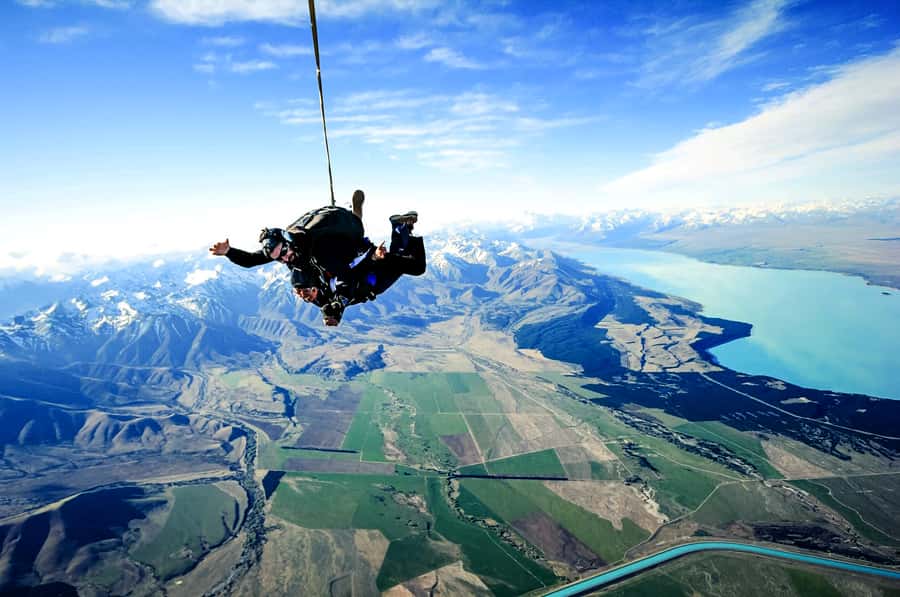
If you’re in New Zealand’s South Island, this is one of those activities that actually fits the scenery instead of competing with it. The timing is smart: you start with a scenic flight, then you jump high enough to get meaningful time falling, and then you land with a parachute glide that’s meant for seeing what you just flew over.
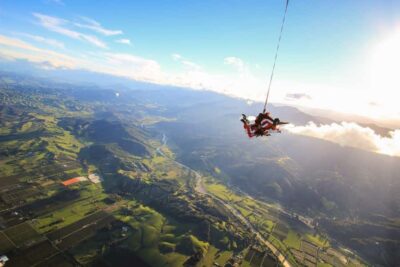
The route area matters too. This skydive is built around the Mount Cook / Aoraki-Mt Cook National Park region, with views that typically include snow-capped mountains, glaciers, and glacial lakes like Pukaki and Tekapo. From the air, those features stack up in layers—peaks, ice, and water at once—which is exactly what makes the experience feel more like a once-in-a-lifetime aerial tour than just a thrill ride.
Also, the “tandem” format is a big deal for value and comfort. You’re paired with a professional tandem master who takes care of equipment and timing, so you’re not trying to learn the mechanics mid-flight. I’d call that the main psychological upgrade: less stress about what you need to do, more focus on what you’re seeing.
The 3-Hour Flow: Scenic Flight, Up to 70 Seconds Free-Fall, 5-Minute Glide
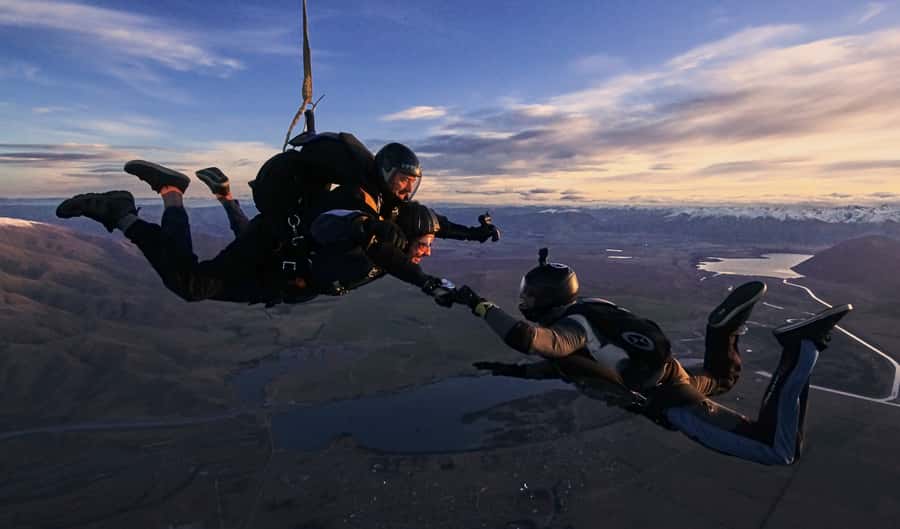
Even though the whole experience is listed as about 3 hours, the emotional rhythm is very clear once you’re there. You typically begin with the safety briefing and gear check, then you move into the 20-minute scenic flight. This part is more than filler. It’s your chance to look at the region from above while you’re still in a stable, calm phase.
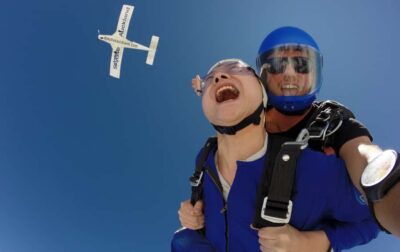
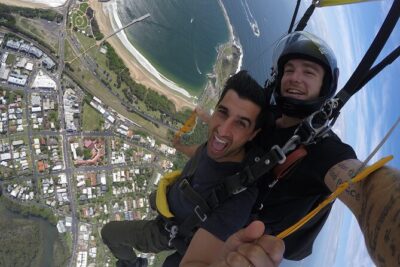
Then comes the moment. You jump from either 13,000 ft or 16,500 ft, and you’ll experience up to 70 seconds of free-fall. That’s the stretch where your body reacts first and your brain catches up second. If you’ve never skydived before, you’ll likely be surprised by how quickly fear turns into focus—especially once you realize your tandem master is handling everything.
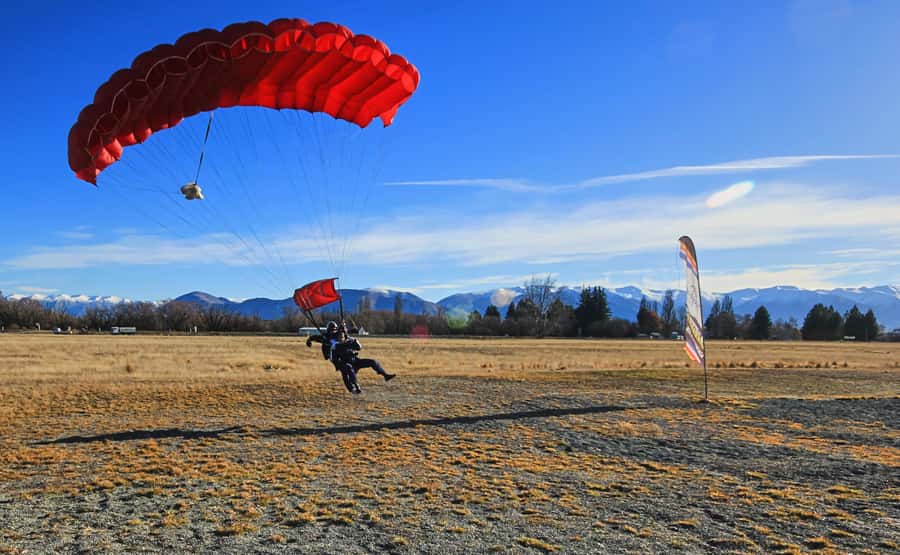
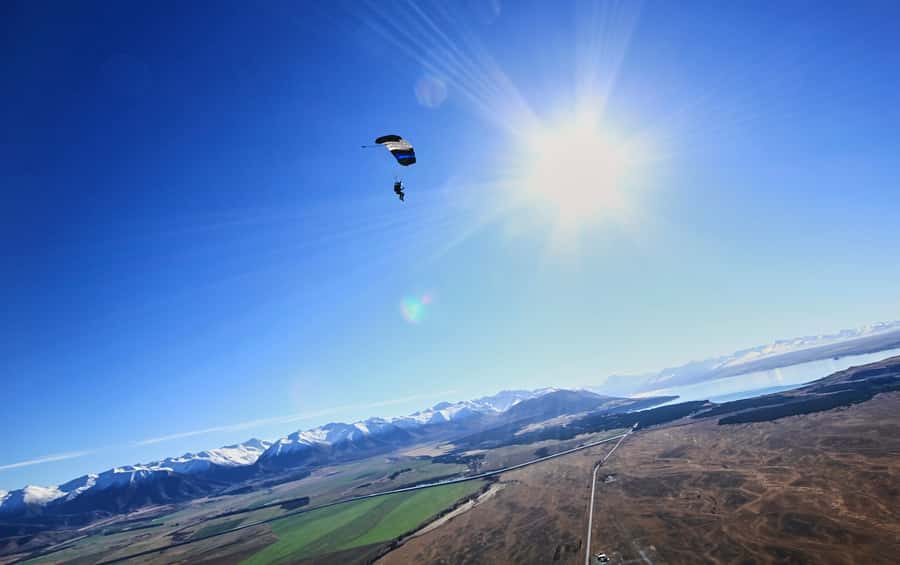
After the fall, the parachute opens and you glide for around 5 minutes. This is where the experience shifts from adrenaline to observation. You can look around instead of bracing. This is the segment that helps you actually remember the geography: the shape of the valleys, the way lakes sit against the mountains, and how large the Aoraki-Mt Cook area really looks from above.
Choosing 13,000 ft or 16,500 ft: What It Means for Your Day
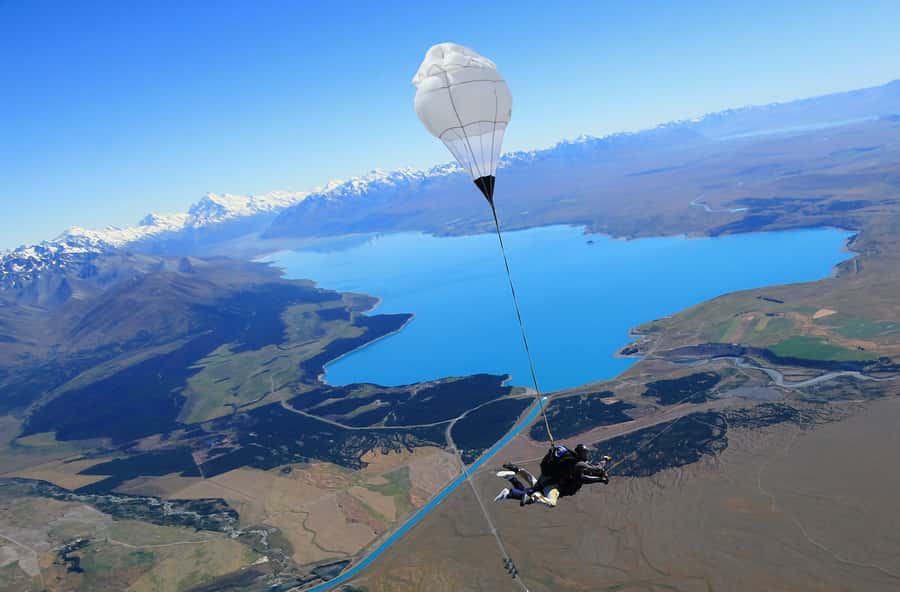
This skydive offers two altitude options: 13,000 ft or 16,500 ft. That choice is valuable because it lets you match the activity to your comfort level and expectations.
If you’re newer to extreme sports, 13,000 ft can feel like the “test run” height. If you want maximum time in the air, 16,500 ft is the bigger commitment. Either way, the core promise stays the same: you get a tandem jump, the free-fall segment (up to 70 seconds), and a parachute glide afterward.
The best practical approach: don’t treat the altitude choice like a math problem. Treat it like a readiness check. Think about what would make you feel good once you’re strapped in—comfort with height, willingness to be fully present, and your tolerance for intense sensations. Your tandem master will be the one guiding the experience, so when you’re unsure, I’d go with the option that fits your nerves best.
Pukaki-Twizel Airport Timing: How to Plan Your Arrival
This activity runs from Pukaki-Twizel Airport, and it’s not paired with hotel pickup or drop-off. That means you’ll want to think like a local: plan to get yourself to the meeting point smoothly, then focus on the experience rather than logistics.
One helpful detail is the time buffer. Plan on 2–3 hours total from the time you arrive at the airport. That includes the pre-jump process (briefing and gearing up) and the reality that aircraft scheduling can shape the exact jump time. If you’ve got a car, that’s another reason to give yourself extra margin—traffic, parking, and timing mistakes are the easiest way to turn a dream day into a rushed one.
Group size also affects timing. With a small group limited to 8 participants, the operation is designed to move people through without turning it into a cattle-call. That usually means fewer long stretches of waiting, and more time spent actually preparing for the moment when you’re called.
The Tandem Master Factor: English Instruction and Nerves-Control
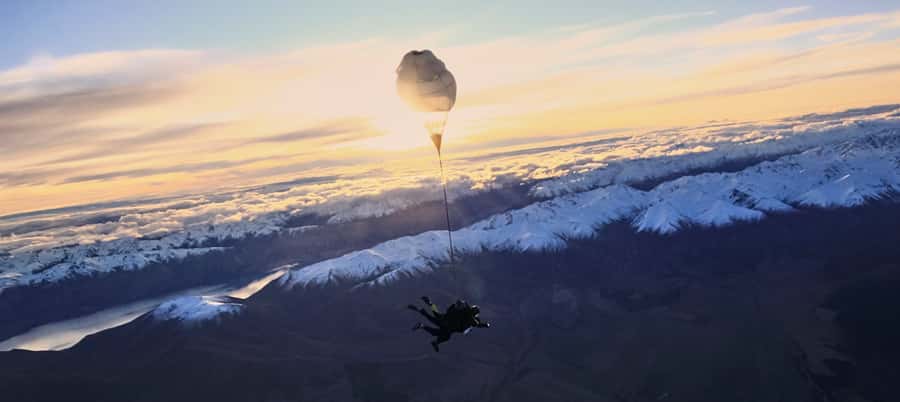
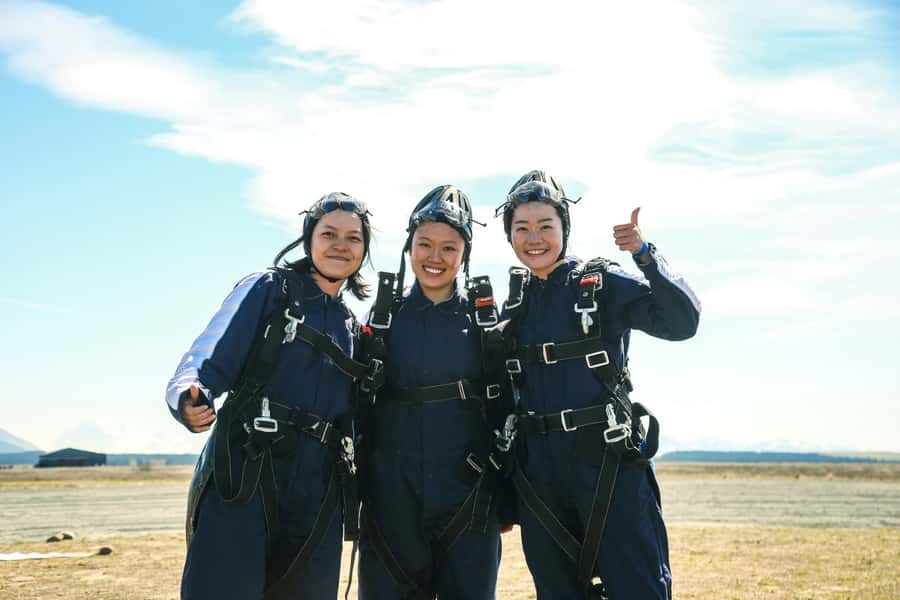
A tandem skydive is only as good as the people on the other side of your harness. The good news here is that you’ll be paired with a professional tandem master and an English-speaking instructor, and you’ll get a safety briefing plus all equipment.
What I really like about this model is that it treats first-timers with respect. You don’t need to master skills; you need to listen, follow directions, and breathe through the initial adrenaline spike. When the guide is calm and clear, that transforms the whole experience from scary unknown to a structured sequence.
In the real world, named guides such as Javier and Megan have been singled out for how they help nervous people feel steady and reassured. You can’t guarantee who you’ll get, but you can guarantee the mindset you bring: be honest about nerves, ask questions during the briefing, and focus on doing exactly what your tandem master tells you.
Views You Can Actually Use: Mount Cook, Lakes Pukaki and Tekapo, Glaciers From Above
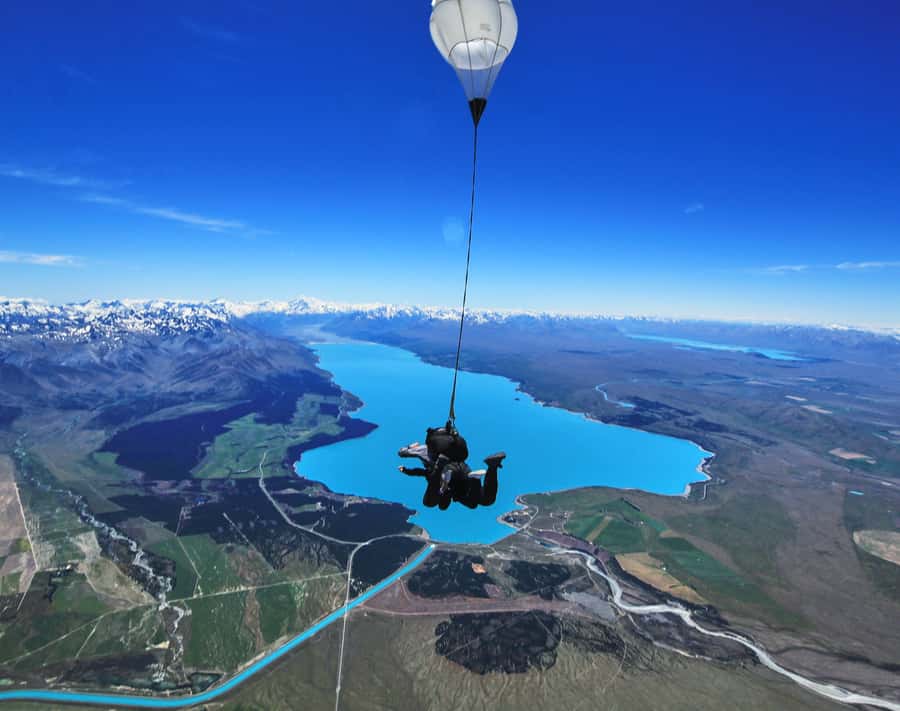
The best part of a skydiving experience is what’s happening outside the plane—and this one is built around the South Island’s famous glacial scenery. You’ll be flying in the vicinity of Mount Cook and Aoraki-Mt Cook National Park, with views that can include glaciers and snow-capped peaks.
You’ll also see glacial lakes in the wider region—especially Lake Pukaki and Lake Tekapo—which stand out from the air because of their vivid contrast against the mountains. From the ground, those lakes can look like a background. From the jump, they become reference points that help you understand how the valleys connect and why the area looks the way it does.
And yes, it’s exciting to take in the views, but the real value is how the view changes across phases. During the scenic flight, it’s wide and navigational. During free-fall, it becomes fast and intense. Under canopy, it turns into something you can actually study for a few minutes without rushing.
Price and Value: Is $238 Worth It Here?
At $238 per person, this sits in the “serious splurge” category, not the “do-it-on-a-whim” category. The question isn’t whether it’s expensive; it’s whether it includes enough to feel like a complete experience.
Here, a lot is bundled: safety briefing, instructor/tandem master, and all equipment. You’re also getting multiple phases of activity: a scenic flight, a meaningful free-fall segment (up to 70 seconds), and a parachute glide. That’s a lot of time in the air for one outing, and it’s why the price can feel more reasonable once you see the structure of the day.
Then there are photo and video options for capturing it. The listing doesn’t provide exact costs, but the fact that capture options exist matters. If you’ve ever regretted not having a record of a once-in-a-lifetime moment, this is the difference between remembering it as a rush of sensation versus having proof to share.
If you’re on a tight budget, treat this like a priority choice, not an extra. If you’re already planning a South Island highlight trip, this can be a perfect centerpiece because it combines adrenaline with scenery you can’t replicate any other way.
Weather Reality Around Mount Cook: Wind Can Change Everything
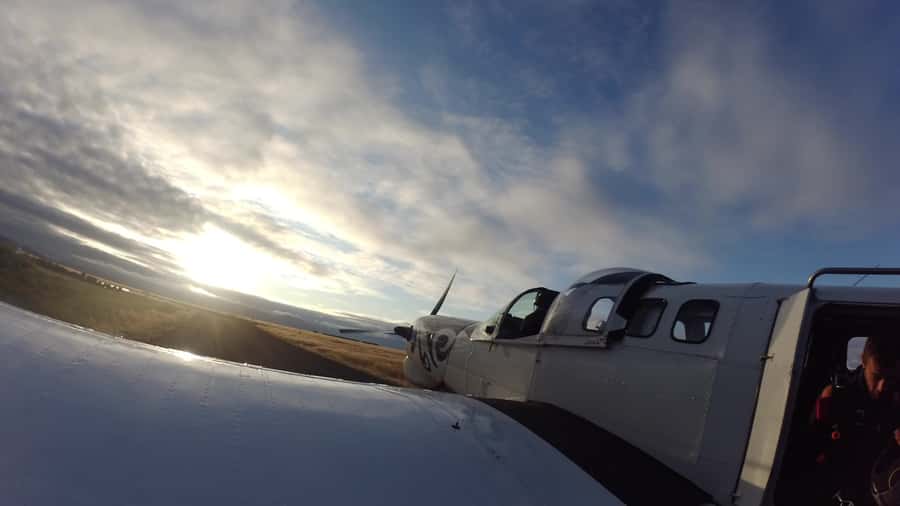
Here’s the part I want you to plan for honestly. This is weather-dependent. Wind can lead to cancellation or rescheduling, and it can happen close enough to the day that it messes with other plans.
Some people have reported situations where they kept traveling, assuming the jump would happen, only to get a cancellation due to wind after arriving. Other cases involved repeated rescheduling attempts that pushed the timing later. I’m not saying this is guaranteed every day, but I am saying you should plan like it might happen—because it’s not a minor detail.
My practical advice:
- Avoid booking this as your only possible activity on a tight schedule day.
- If it’s a surprise for a birthday or milestone, keep an alternate plan ready.
- Build in buffer time around your airport arrival and your broader itinerary.
Skydiving is the kind of activity where logistics feel trivial until weather turns them into the main character. A little slack in your plan prevents disappointment.
Who This Tandem Skydive Is Best For (and Who Should Think Twice)
This experience is designed for a wide range of ages, with guidance that parental or guardian consent is required for anyone under 18. Children under 12 are evaluated on an individual basis, so you’ll want to confirm suitability when you inquire.
If you’re a first-timer, you’ll probably like how structured it is. You don’t need to know anything except how to listen and follow instructions. If you’re an adrenaline lover, you’ll appreciate that the free-fall time is substantial and that there’s a full glide afterward for views.
Think twice if you:
- Have very limited flexibility in your schedule due to how weather can affect jumps.
- Are emotionally committed to it happening at an exact time for an important appointment with no backup plan.
- Get extremely anxious with uncertainty, because the day’s flow can shift based on safe operating conditions.
If you’re mentally prepared for the possibility of change, this is exactly the kind of activity that can become one of your best South Island memories.
Should You Book This Mount Cook Tandem Skydive?
I’d book it if you want a high-impact experience that matches the scenery. The combination of scenic flight, free-fall up to 70 seconds, and a parachute glide with time to look makes it feel like more than a single thrill moment. Plus, the small-group setup and tandem guidance make it approachable for nervous first-timers.
I’d hesitate if your schedule is locked down or if this is the one thing you cannot afford to lose. Weather can interfere, and your best defense is planning with buffer time and a backup idea.
If you can handle that reality, this is a strong value bet for a serious South Island highlight—and it’s the kind of experience that turns your Mount Cook trip into something you’ll talk about for years.
FAQ
What’s included in the Mount Cook tandem skydive?
Your safety briefing, instructor/tandem master, and all equipment are included. The experience also includes the flight and jump with the provided tandem setup.
How long does the experience take?
Plan on about 3 hours total. You should allow 2–3 hours from the time you arrive at the airport.
Where do I meet for the activity?
Meet your local partner at Pukaki-Twizel Airport.
Do I get picked up from my hotel?
No. Hotel pickup/drop-off is not included.
How high is the jump?
You can jump from either 13,000 ft or 16,500 ft, depending on what’s offered.
How long is the free-fall?
You’ll experience up to 70 seconds of free-fall.
Is there a parachute glide time?
Yes. After the free-fall, you’ll glide with a parachute for about 5 minutes.
What language is the instruction in?
The instructor operates in English.
Is there food and drinks included?
No. Food and drinks are not included.
Is this activity suitable for minors?
People of all ages are encouraged to take part, but parental or guardian consent is required for anyone under 18. Children under 12 are evaluated individually.