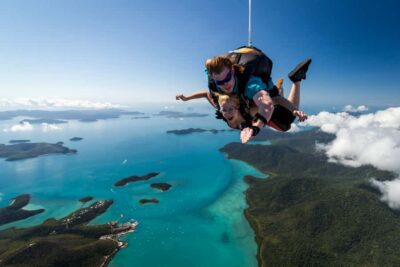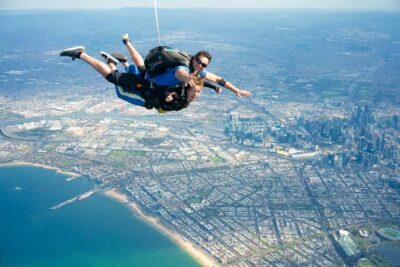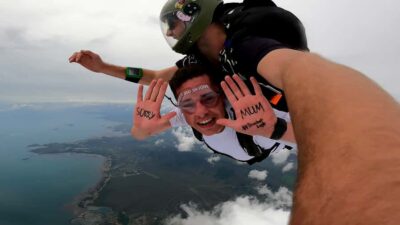
No plane required for skydiving.
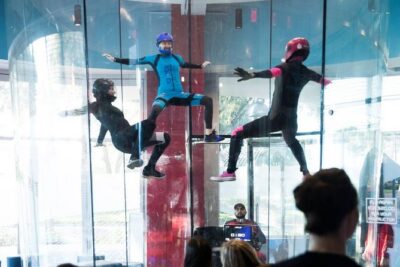
At iFLY Denver, you step into a vertical wind tunnel and get one-on-one coaching for two 60-second solo sessions, followed by a certificate of flight achievement. The whole setup is built for first-timers: you train, suit up, then experience true free-fall conditions without jumping from an airplane.
The main thing to plan for is timing. One reviewer called out a long wait after arriving on schedule, so I’d treat your arrival time as flexible and build a buffer for busier sessions.
In This Review
- Key Things You’ll Notice at iFLY Denver
- Stepping Into iFLY Denver’s Wind Tunnel Setup
- How the 90-Minute Experience Really Flows
- Training First: The Secret to Feeling Natural Fast
- Two 60-Second Solo Sessions: What You’re Getting
- What the Instructor Actually Does in the Chamber
- Safety Rules That Are Not Optional (Read This)
- Gear, Clothing, and the Locker Reality
- Price and Value: What $102.96 Really Buys
- Where This Indoor Skydiving Experience Fits Best
- Tips to Reduce Stress and Make Your Session Smoother
- Should You Book iFLY Indoor Skydiving in Denver?
- FAQ
- How does indoor skydiving at the Denver iFLY work?
- How safe is this indoor skydiving experience?
- Do I need any prior skydiving experience?
- How long is each tunnel flight?
- How long does the full first-time experience take?
- What is the minimum age to participate?
- Are there weight restrictions?
- What medical or physical conditions prevent participation?
- What should I wear?
- Can someone come to watch me fly?
- What is the cancellation policy?
Key Things You’ll Notice at iFLY Denver
- Vertical wind tunnel instead of a plane: you fly by riding a smooth column of air.
- Two solo rounds, not just one: you get two separate chances to feel stable and fly.
- Instructor stays with you: you’re guided throughout the experience, even if it’s your first time.
- A real achievement certificate: you leave with a flight achievement card, not a generic sticker.
- Group up to 12, one flyer at a time: friends may be in the same session, but you’ll fly individually.
- Locker-and-gear rules: you’ll swap to a flight suit and store loose items before entering.
Stepping Into iFLY Denver’s Wind Tunnel Setup
This isn’t simulators or video screens. iFLY uses a purpose-built vertical wind tunnel where powerful fans pull air upward, then push it back down along the chamber walls. The airflow is compressed and sped up so you can float face-to-face with an instructor’s help.
In plain terms: the air does the falling part. You don’t jump, and you don’t have to worry about the airplane part of skydiving. That’s a big deal for first-timers who want the adrenaline and body sensation without the airplane nerves.
The Denver location is at 9230 Park Meadows Dr, Lone Tree, CO 80124. Sessions are typically run in a small group format (maximum 12), so you’ll be around other people getting ready, then moving through training and flight in a controlled flow.
How the 90-Minute Experience Really Flows
Plan on about 1 hour and 15 to 30 minutes total from start to finish, with the tunnel time broken into two 60-second flights. Your exact pacing depends on how the facility schedules the session that day, but the structure is consistent: check-in, training, gear, then two separate tunnel rounds.
You’ll take a training session first. It’s not just a lecture. You’ll get coached on body position, hand placement, and how to stay stable in the air column. If you’ve never done anything like this, that early training is what makes the later flights feel less chaotic.
Then you’ll do your two flights back-to-back in the same overall session timeline. Since your instructor works one-on-one with you in the chamber, you’re not stuck guessing what to do while everyone watches.
Training First: The Secret to Feeling Natural Fast
If you’ve ever tried a new sport, you know the first minute matters. iFLY is built around that idea. You get guidance on how to breathe and how to hold your body so the airflow works with you, not against you.
Good news: the tunnel airflow is designed to feel smooth, not jolty. People often worry about balance or motion sickness, but the experience is more like floating on wind than falling through space. There’s wind in your face, and you breathe normally through your mouth or nose.
In practice, this means your instructor can correct things quickly. One-on-one coaching is the difference between a “wow that’s scary” first try and a “wait, I can do this” second attempt—especially during your second 60 seconds.
Two 60-Second Solo Sessions: What You’re Getting
You’re not buying one tiny sample. The package includes two flights for 1 person, and each tunnel flight lasts 60 seconds.
That second session is where the value shows up. After the training and the first flight, you know what the wind feels like and you’ve already learned the stability cues. Your instructor can then help you apply what you practiced, so flight two often feels more controlled.
Several people also mention an optional higher-flying upgrade after the initial session learning stage. If you’re chasing that extra intensity, it’s worth asking at check-in or during your post-training chat about what’s available for your level.
What the Instructor Actually Does in the Chamber
This is one of the strongest parts of the iFLY concept. Your certified flight instructor is with you the entire time in the chamber, so you’re not flying alone and hoping for the best.
Instructors handle the safety and the coaching. You’ll wear a flight suit, and the reason you wear it is practical: instructors are trained to grasp the handles of your suit if spotting becomes necessary. That’s not a vague promise—it’s part of how they’re able to keep the experience stable for first-timers.
And the human factor matters too. The reviews include multiple instructor names—like Khai, Kevin, and Rita—and they’re consistently described as friendly and focused on making first-timers feel safe and relaxed. For you, that translates to less guessing and faster confidence.
Safety Rules That Are Not Optional (Read This)
Indoor skydiving is still a physical activity, so safety screening matters.
You won’t be able to fly if you have previous neck or back injuries, heart issues, shoulder dislocations, or if you’re pregnant. You also won’t be able to participate if you’re wearing a hard cast.
Weight matters too. The facility can’t accommodate flyers over 300 lbs. There’s also a range between 260–300 lbs where accommodation isn’t guaranteed without local staff evaluation at check-in, and additional restrictions may apply. If you’re in that range, I’d plan to arrive a little calmer and ready for a quick check before expectations are finalized.
Age is straightforward: minimum age is 3 years. If you’re flying with a minor under 18, a parent or guardian must sign the waiver.
Gear, Clothing, and the Locker Reality
You’ll be wearing a flight suit during the flights, but what you wear underneath counts. iFLY recommends well-fitting lace-up sneakers or running shoes and comfortable clothes. It’s best if your outfit doesn’t have a collar, and you want pants and a shirt so you’re comfortable and secure in the suit.
Remove or secure anything that could flap or loosen: jewelry, watches, rings, hair accessories, and similar items. Empty your pockets too. This isn’t about fussiness; loose items can be a distraction and a safety concern near gear and airflow.
A very practical note from the experience: you should expect to use lockers for your items. And if you like photos, you can typically use your phone for pictures before entering the chamber, then handle the rest through the facility’s photo/video offering if you choose it.
Price and Value: What $102.96 Really Buys
At $102.96 per person, this isn’t bargain-basement fun, but it also isn’t overpriced if you look at what’s included.
You’re getting:
- Two flights (two chances to learn and improve)
- Required training
- All gear use
- One-on-one guidance from a certified instructor
- A certificate of flight achievement
- Taxes and fees included in the package price
Here’s how I’d judge value. If you only got one short flight, it would feel more like a novelty. Two flights make it closer to a mini lesson and a mini performance—so your money turns into skill, not just a single photo moment.
Also, the fact that no experience is needed is part of the value. You’re not paying to “try,” you’re paying for coaching that brings you to a workable flying position quickly.
Where This Indoor Skydiving Experience Fits Best
This is ideal if you want a high-adrenaline activity without the airplane stress.
It’s also a great choice for:
- couples and friends who want something active and shared
- families with kids 3 and up who can handle instructions and safety rules
- people who want a confidence boost because the instructor is right there coaching you through each attempt
One more reason it works: the group size is capped at 12, and you fly one at a time. That means you still get an energized group atmosphere, but you’re not trying to coordinate body position with multiple people in the chamber.
If you’re sensitive to physical exertion or have conditions listed under the safety rules, it’s best to check in with the facility first or skip the booking. The screening exists for a reason.
Tips to Reduce Stress and Make Your Session Smoother
You’ll enjoy it more if you arrive ready to move through check-in quickly. The experience begins promptly, so plan to arrive 10–15 minutes early.
Also, bring a small mindset shift: this is not skydiving in the classic sense. You’re floating, learning body position, and syncing with the airflow. That helps you stop overthinking fear and start focusing on the simple cues your instructor gives you.
If you’re worried about waiting, use a practical plan. If your schedule says one time, treat that as a start time for check-in and preparation. One experience in the feedback called out a long wait even after arriving on time, so give yourself cushion.
Lastly, if an optional higher-flight upgrade is offered during your session, decide quickly and based on your comfort level. If you’re already feeling confident after flight one, it can be a fun way to push intensity slightly higher.
Should You Book iFLY Indoor Skydiving in Denver?
If you want a memorable, safe-feeling thrill that teaches you something in the process, I think this booking makes a lot of sense. The biggest reasons to say yes are the two 60-second flights, the one-on-one coaching, and the way the training turns first-timers into confident flyers fast.
You should consider passing or double-checking before booking if you fall into any of the health or mobility restrictions, if you’re over 300 lbs, or if you’re pregnant. And if timing anxiety is your thing, arrive early and expect that the facility may run sessions with some waiting depending on the group schedule.
Overall, this is a solid choice in Denver when you want indoor skydiving that feels real, not gimmicky—and leaves you with proof you did it, in the form of a personalized flight achievement certificate.
FAQ
How does indoor skydiving at the Denver iFLY work?
A vertical wind tunnel uses fans at the top to draw air through the chamber, then push it back down the sides. The air is compressed and sped up so it reenters the flight chamber as a smooth column of air that allows you to fly.
How safe is this indoor skydiving experience?
The wind tunnel design creates a controlled wall-to-wall air column, and you fly with certified instructors. Your instructor is with you the entire time regardless of experience level.
Do I need any prior skydiving experience?
No experience is necessary. First-time flyers take a required training session before going into the tunnel.
How long is each tunnel flight?
Each flight within the wind tunnel lasts about 60 seconds.
How long does the full first-time experience take?
It takes about 1 hour and 15 minutes to 1 hour and 30 minutes from start to finish, depending on how the session runs.
What is the minimum age to participate?
The minimum age is 3 years.
Are there weight restrictions?
Participants must weigh less than 300 lbs. People who weigh between 260 and 300 lbs must note their current weight at checkout, and local staff will evaluate whether they can be accommodated.
What medical or physical conditions prevent participation?
You cannot fly if you have previous neck or back injuries, heart issues, or shoulder dislocations, or if you are pregnant or wearing a hard cast.
What should I wear?
Wear well-fitting lace-up sneakers or running shoes and comfortable clothes. The facility recommends pants and a shirt without a collar. You’ll wear the flight suit over your clothing.
Can someone come to watch me fly?
Yes. If someone chooses to watch, they can accompany you to the observation area.
What is the cancellation policy?
You can cancel for a full refund up to 24 hours before the experience start time. If you cancel less than 24 hours before, the amount paid is not refunded.